What's in this review
- Before you start: what to gather before you price anything
- Step 1: Set a food budget you can actually see
- Step 2: Work out cost per serving, not cost per pack
- Step 3: Add cost per gram of protein to the same line
- Step 4: Price fibre the same way you priced protein
- Step 5: Compare fresh, frozen, dried and canned forms
- Step 6: Plan the week from overlapping components
- Step 7: Shop the list against unit prices
- Step 8: Batch cook, portion and count what gets eaten
- A worked example: three protein sources priced side by side
- Why cost per pack is the number that misleads
- Servings per pack: the denominator most shoppers skip
- How dried, frozen and canned forms change the maths
- Where cheap fibre tends to hide
- What a published price list cannot tell you
- Time, energy and equipment are costs too
- Waste is the hidden line on every food bill
- Food access and why effort is not the whole story
- When the cheapest option is not the right one for you
- Common mistakes that quietly raise the bill
- Troubleshooting and edge cases
- Your budget grocery checklist
- The bottom line
Eating well on a limited food budget is usually framed as a question of discipline. It is mostly a question of arithmetic, and the arithmetic is short once you know which number to compute. The price on the shelf tells you very little, because it is attached to a package rather than to a meal, and a package can hold three servings or thirty. The number that actually decides whether a food is expensive is cost per serving, and for the two things most likely to get squeezed out of a tight shop, protein and fibre, the sharper number is cost per gram of the nutrient itself. Both are a single division away from information already printed on the pack in your hand.
This evidence review is an eight step method for pricing your own food the way a buyer would, using the prices on your own shelves rather than a table copied from somebody else’s city and season. It covers what to gather before you start, the eight steps in order, a worked example that prices three protein sources side by side with invented numbers, the forms that change the maths most, and the mistakes that quietly raise a bill. It leans on our high protein foods list, our high fibre foods list and our grocery list walkthrough rather than repeating their numbers. Every price below is invented for illustration. Run your own in the companion below.
Key takeaways
- The shelf price is attached to a package, not a meal, so the only comparison worth making is cost per serving: pack price divided by the servings that pack honestly yields.
- For protein and fibre, divide once more, by the grams the panel declares per serving, and the ranking of foods changes noticeably from the one the shelf prices suggest.
- Dried and frozen forms usually move the arithmetic most, because dried food is sold without its water and frozen food does not spoil on a timer, though dried forms charge you in time and cooking fuel instead.
- Planning a week from a small set of overlapping ingredients, then batch cooking them, is what stops a cheap shop leaking back out as waste at the end of the week.
- Prices are intensely local and everything here is illustrative, so check your own shelf prices and labels, and treat food access and time as real constraints rather than excuses.
Before you start: what to gather before you price anything
Almost nothing is needed to run this method, which is the point. You do not need an app, a spreadsheet template or a new set of recipes, and you certainly do not need anyone else’s price table. Three things make the first pass easier, and none of them requires precision.
- Your last few grocery receipts, or a phone photo of them. These are the only price data that describes your own shop, your own city and your own week, and they beat any published figure for the purpose at hand. If you have no receipts, the shelf edge labels on your next trip work just as well, since most stores print a unit price beside the pack price.
- A rough sense of what a serving means to you. A serving is not a fixed quantity handed down from anywhere; it is how much of a food actually ends up on your plate. Weighing a portion of rice or oats once, or measuring it with a cup you always use, is enough to fix the number you will divide by from then on.
- The nutrition panel on the packs you buy most. The grams of protein and fibre per hundred grams are the two figures the later steps need, and they are printed on the pack rather than inferred from a table.
Difficulty here is low and the effort is front loaded: the first pass through a handful of staples takes perhaps twenty minutes, and after that you are comparing numbers you already know. What this method will not do is tell you what to eat, how many calories to aim for, or whether a given pattern suits your health. Those are questions for a doctor or registered dietitian, particularly if you manage a medical condition, take medication, are pregnant, are feeding children, or have any history of disordered eating.
Step 1: Set a food budget you can actually see
Start by making the number visible, because a budget you have never looked at is not a constraint, it is a background anxiety. This does not mean choosing an aspirational weekly figure. It means finding out what you currently spend and what that money currently buys, which is the only baseline the later steps can move.
Add up your food spending across the last two or three weeks from receipts, card statements or a rough tally, then divide by the number of meals that money actually covered. If two people ate three meals a day for two weeks, that is eighty four meals, and dividing your spend by eighty four gives your current cost per meal. That single figure is more useful than any national average, because it describes your household rather than a statistical composite. The companion below does the related division for a single product and shows how many servings of it your weekly spend would buy.
Then decide what you want the number to do. Some people want the same food for less, some want better food for the same money, and some need a hard ceiling because the money genuinely runs out. These are different problems, and naming yours changes which of the later steps matters most. A hard ceiling makes Step 5, on forms, the highest leverage move. Wanting better food for the same money makes Step 3, on protein pricing, the one that pays.
Avoid setting a target so tight that it collapses in week two, and avoid the opposite error of treating a budget as a moral scorecard. Any figure here is a planning tool, not a measure of how well you are doing, and it should be adjusted whenever your prices, household or schedule change.
Step 2: Work out cost per serving, not cost per pack
Now the central move. Cost per serving is the pack price divided by the number of servings the pack yields, and it is the only price comparison that answers the question you are actually asking, which is what this food costs you at dinner rather than at the till.
The division is trivial and the servings figure is where the thinking sits. Take the total amount in the pack, in grams or millilitres, and divide it by the amount you count as one serving. A one kilogram bag of oats at a forty gram dry serving is twenty five servings. A five hundred gram bag of dried lentils at a fifty gram dry serving is ten servings. A four hundred gram can of beans yields roughly three servings once drained. A twelve egg box is six servings if you count two eggs to a serving. Divide the pack price by that count and you have your number.
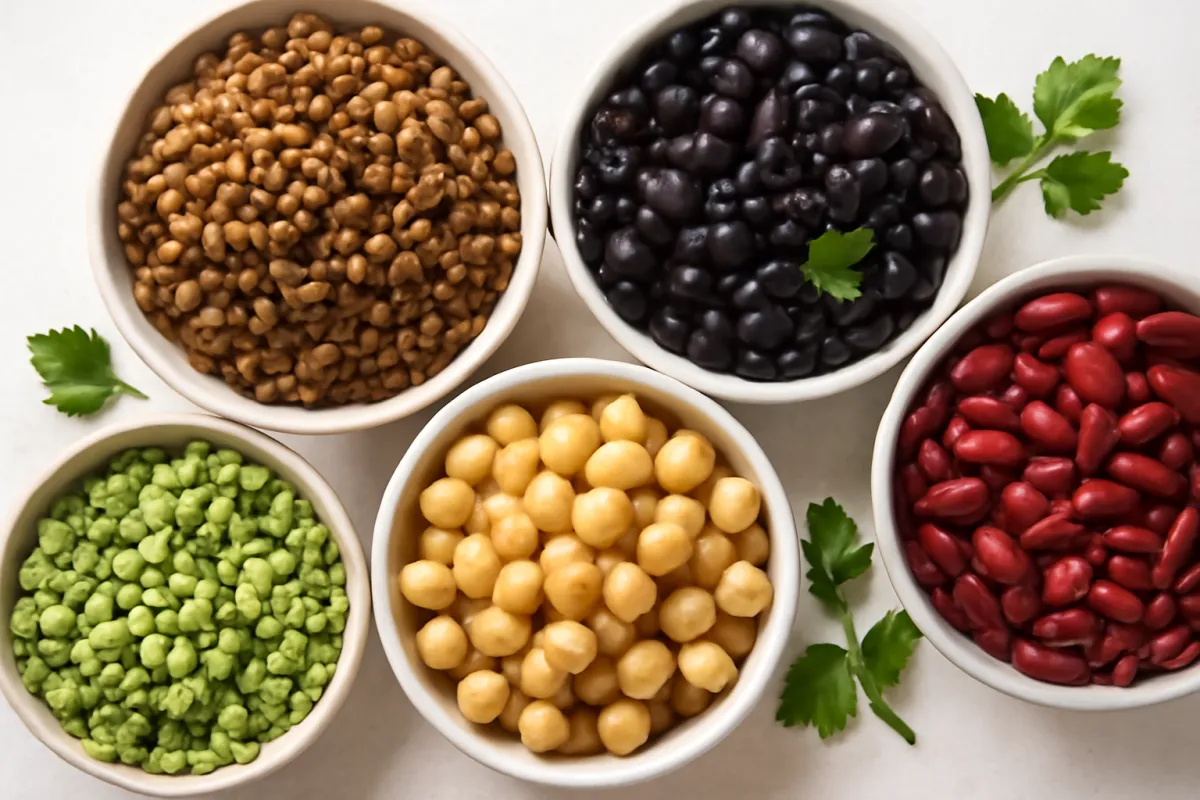
Two cautions matter. First, use the serving you actually eat, not a serving size chosen by a manufacturer to make a panel look flattering, since our nutrition label walkthrough exists largely because those two numbers diverge. Second, be consistent about dry weight and cooked weight. Dried pulses and grains roughly double or triple in weight when cooked, so a dry serving and a cooked serving are different denominators, and mixing them produces nonsense. Pick one basis, usually the dry weight you measure out, and hold it across every food you compare.
Step 3: Add cost per gram of protein to the same line
Cost per serving ranks foods as food. It does not tell you whether a cheap serving is doing any nutritional work, and protein is the component most likely to disappear from a squeezed shop because it is usually the most expensive part of a plate. Adding one more division fixes that.
Take your cost per serving from Step 2, then divide it by the grams of protein that serving contains. The panel gives protein per hundred grams, so protein per serving is that figure multiplied by your serving weight and divided by one hundred. A fifty gram dry serving of a pulse whose panel declares twenty five grams per hundred grams carries twelve and a half grams. If that serving cost you a fifth of a currency unit, your cost per gram of protein is about sixteen thousandths, or roughly sixteen hundredths per ten grams of protein, which is the scale most people find easier to hold in their head.
Use cost per ten grams of protein as the working unit, since ten grams is a recognisable chunk of a meal’s protein and it keeps the decimals manageable. Run it across five or six foods you buy regularly and the ranking will almost certainly surprise you at least once, because packaging, convenience and marketing all distort the shelf price without touching the protein. Our high protein foods list covers which foods carry meaningful protein at all, and our review of how much protein you need covers the daily side. This step tells you only what each option costs you.
For households not eating meat, the same division is what makes the case for pulses, tofu and larger dairy packs concrete rather than rhetorical, and our protein without meat walkthrough covers the food side of that.
Step 4: Price fibre the same way you priced protein
Fibre is the other component that quietly vanishes when a food budget tightens, mostly because the refined versions of grains and the packaged versions of snacks are cheap, convenient and low in it. The same division applies, and it is worth running because the answer is usually encouraging.
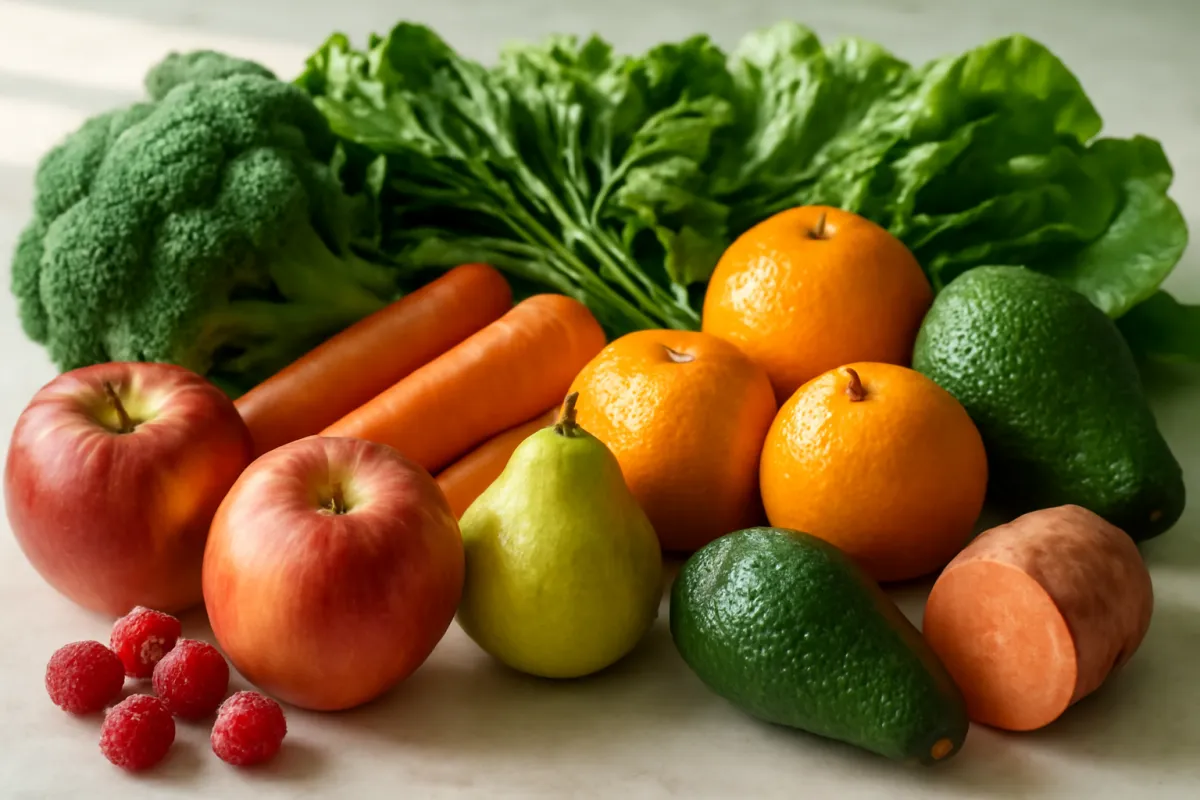
Divide cost per serving by the grams of fibre the panel declares for that serving, then read it as cost per five grams of fibre, which is a more natural chunk than ten. The foods that tend to win here overlap heavily with the ones that won on protein, which is the useful part: dried pulses, whole grains bought in larger plain packs, frozen vegetables and, in many places, humble items such as potatoes with their skins, carrots, cabbage and frozen peas. Fibre is one of the few nutritional priorities where the cheap answer and the recommended answer point in the same direction.
The comparison that shows this most sharply is between a whole grain and its refined sibling. A large plain bag of oats or brown rice usually prices close to its refined equivalent per serving while carrying more fibre, so the cost per gram of fibre is often substantially lower. Our reviews of oatmeal and rice cover the nutritional side, and our high fibre foods list and our review of how much fibre you need cover the target side.
One practical warning: raising fibre quickly can be uncomfortable, and how much is appropriate differs between people and can change with certain gut and medical conditions. Increase gradually, keep fluids up, and treat any specific fibre target as something to set with a clinician or registered dietitian rather than from a price calculation.
Step 5: Compare fresh, frozen, dried and canned forms
Once you can price a serving, the highest leverage question stops being which food to buy and becomes which form of it to buy, because the same ingredient can differ several fold in cost per serving depending on how much water, labour and packaging you are paying for.
Dried is the form that most often wins the arithmetic outright. A bag of dried pulses or grains is sold without its water and roughly doubles or triples in weight during cooking, so you are buying ingredient rather than transport. Frozen is the form that most often wins in practice, because frozen produce does not run a spoilage clock: the half bag you do not use this week is still food next week rather than a loss, and avoided waste is a real saving that never shows on a receipt. Canned sits between the two, costing more per serving than dried while requiring no soaking, no long cook and no planning ahead.
Servings per pack: the denominator most shoppers never compute
How many servings some common staple pack sizes yield, using the illustrative serving weights described in this review. Pure arithmetic on typical pack sizes, not a price comparison and not a portion recommendation.
Bar widths are each value as a share of the largest, 25 servings. Serving weights are the illustrative ones used throughout this review, chosen so the arithmetic is easy to follow. Substitute the weights you actually eat.
Fresh is not the loser in this comparison, and treating it that way is a mistake. Fresh produce in season, bought loose in the quantity you will use, is frequently the cheapest form of all and the most pleasant to eat. It simply carries a risk that the other forms do not, and the risk is realised in the bin rather than at the till.
Step 6: Plan the week from overlapping components
An ingredient priced well is only a saving if it becomes a meal. The reliable way to make that happen without a rigid menu is to plan around a small set of components that recombine, rather than around a list of separate recipes that each need their own supporting cast.
Pick two protein anchors, two carbohydrate bases, three or four vegetables and a handful of flavour changers, then treat the week as combinations of those. A pot of cooked pulses becomes a stew on one night, a filling on another and a cold salad base on a third, with the difference coming from spice, acid and a sauce rather than from a fresh set of ingredients. This is what keeps the shop short while the eating stays varied, and it is the single biggest reason planned weeks cost less than improvised ones: nothing is bought for a single use, so nothing is left over from a single use.
Scale the perishable part of the plan to the days you will realistically cook. Most households overestimate this, and the gap between the imagined week and the real one lands in the bin. Plan fresh produce for the first half of the week and lean on frozen and shelf stable items for the second half, which matches the way food actually decays. Our balanced meal walkthrough covers the shape of each plate and our grocery list walkthrough covers turning a plan into a list.
Four buckets one illustrative weekly food spend divides into
A rough sketch of how money, rather than plate space, tends to split across a budget aware week. Illustrative shares for reasoning about where a bill comes from, not a target and not measured data.
Segments sum to 100 percent of one week's food spend. Note that this money split differs from the plate split, where vegetables occupy about half the plate: produce is bulky and cheap by volume while protein is expensive by weight.
Step 7: Shop the list against unit prices
With a plan and a price method, the shop itself becomes verification rather than decision making. The tool that does most of the work is already on the shelf edge in most stores: the unit price, usually shown per hundred grams, per kilogram or per litre in small print beside the headline price.
Unit price is cost per serving with the serving step removed, so it lets you compare two sizes or two brands of the same thing in one glance. Larger packs usually carry a lower unit price, though not always, and promotional packaging is a common place where the exception hides. The comparison only means something between products that are genuinely alike, so compare a plain product against a plain product and read the panel when the two differ in what they contain rather than only in what they cost.
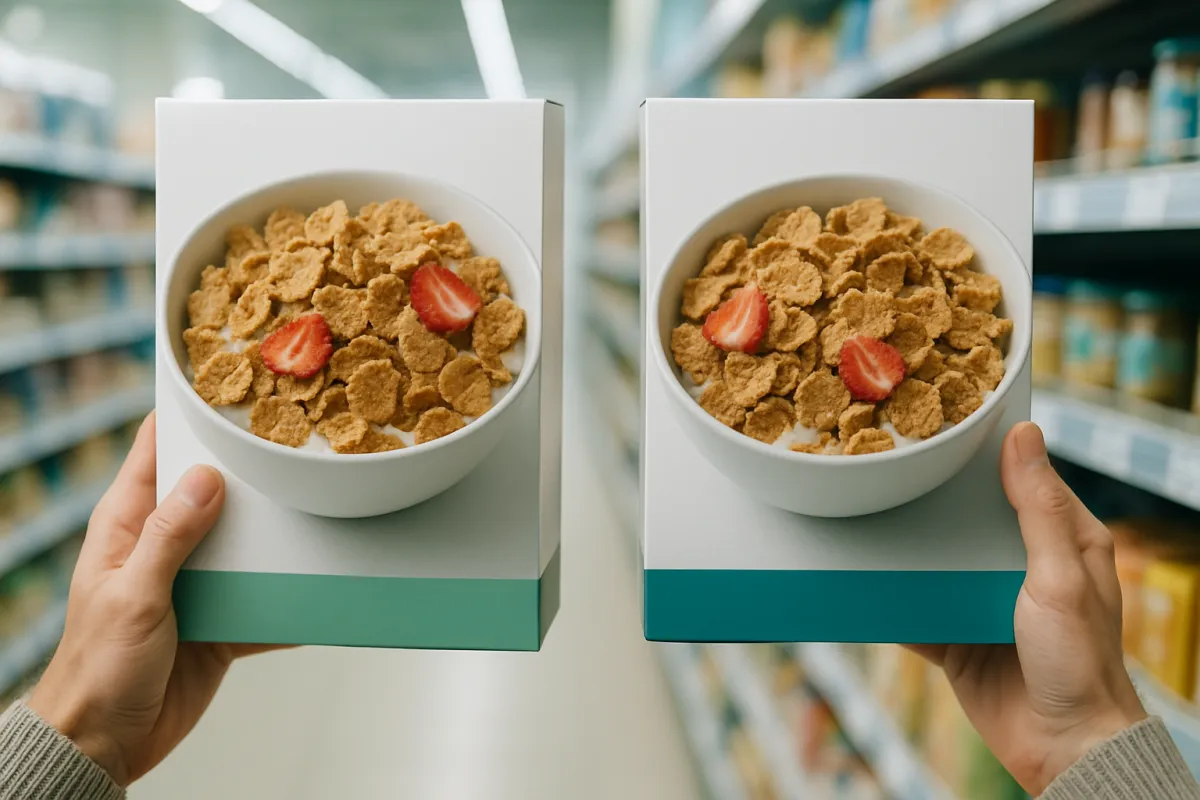
Three habits protect the trip. Buy the larger pack only where you will finish it, since an unbeatable unit price on something that goes stale is not a saving. Treat promotions as a reason to buy more of what was already on the list rather than as a reason to add items, which is what most multi buy offers are designed to do. And shop after eating rather than before, because hunger reliably beats arithmetic.
Store brands deserve a specific mention. For plain staples such as rice, oats, dried pulses, canned tomatoes, frozen vegetables and plain dairy, the cheaper own label version is frequently the same category of product at a lower unit price, and comparing the two panels takes seconds. Where products genuinely differ, the panel and the ingredient list will show it.
Step 8: Batch cook, portion and count what gets eaten
The last step is where savings are kept or lost, because the cheap forms from Step 5 are exactly the ones that need cooking. Dried pulses, whole grains and cheaper cuts all reward a long, unattended cook, which is why doing that cooking once for several meals is what makes the arithmetic survive a busy week.
Cook the components rather than the finished meals. A large pot of a grain, a large pot of pulses and a tray or two of roasted vegetables give you the raw material for several different dinners without committing you to eating the same dish four times, which is the usual reason batch cooking collapses. Portion what you will eat in the next few days into the fridge and freeze the rest immediately, while it is still at its best rather than after it has started to turn.
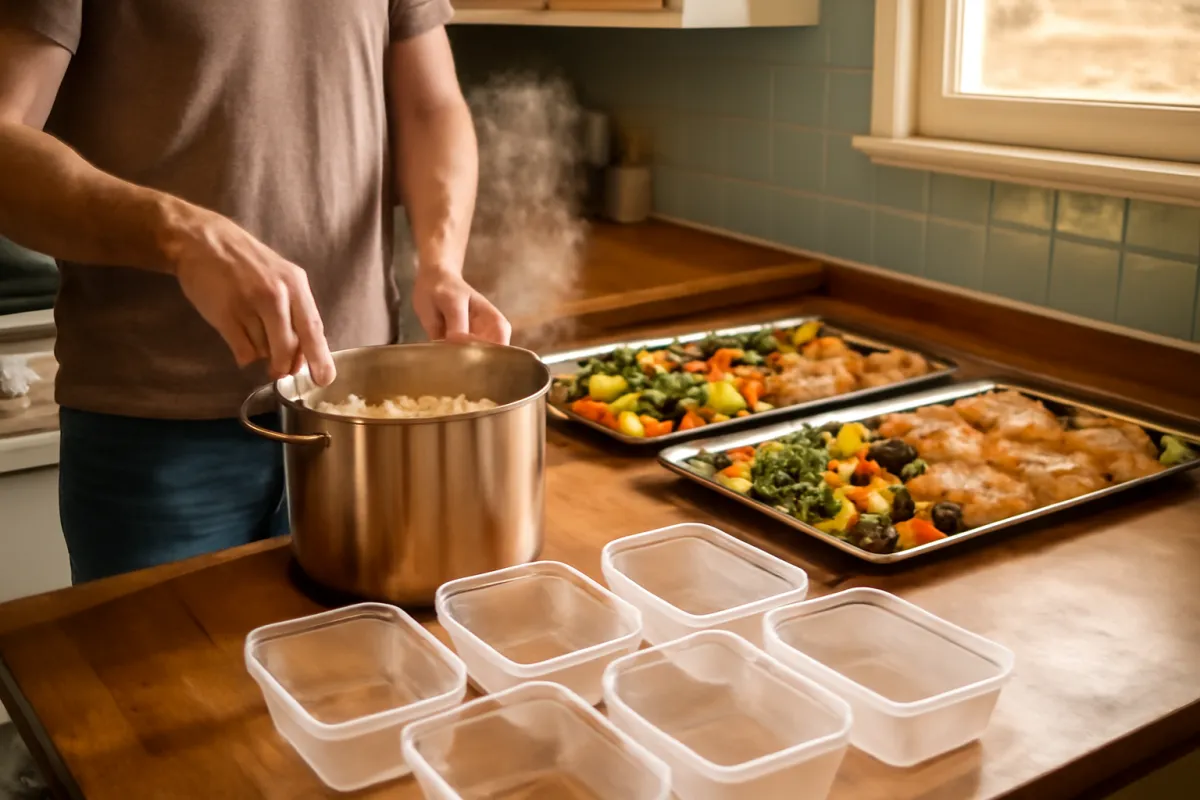
Then count what actually gets eaten. For two or three weeks, note what you throw away and roughly what it cost. This is unglamorous and it is also the most informative thing on this page, because most households discard the same two or three items over and over, and the fix is simply to buy less of those. Waste is the only line on a food bill that delivers nothing at all, so it is the first place to look for money. Our weekly meal prep walkthrough covers the cooking session itself in detail.
Food safety sets the outer limits here. Cool cooked food quickly, refrigerate promptly, and follow the storage times published by your national food safety authority rather than judging by appearance, since the advice differs by food and by country.
A worked example: three protein sources priced side by side
Here is the whole method on one page, using invented prices in generic currency units. These numbers are placeholders chosen to make the arithmetic legible. They are not market prices, not a claim about what anything costs where you live, and not a ranking you should carry into a shop without redoing it.
Suppose a five hundred gram bag of dried lentils rings up at two units. At a fifty gram dry serving that bag is ten servings, so cost per serving is two divided by ten, or twenty hundredths. Suppose the panel on that bag declares twenty five grams of protein per hundred grams, which makes a fifty gram serving carry twelve and a half grams. Cost per ten grams of protein is therefore twenty hundredths divided by one and a quarter, or sixteen hundredths.
Now a box of twelve eggs at three units. Counting two eggs to a serving gives six servings, so cost per serving is fifty hundredths. If the panel puts the protein at twelve and a half grams per serving, cost per ten grams of protein comes to forty hundredths.
Now a one kilogram pack of chicken breast at nine units. At a one hundred and fifty gram serving that is roughly six and two thirds servings, so cost per serving is about one and thirty five hundredths. If the panel declares twenty two grams of protein per hundred grams, the serving carries thirty three grams and cost per ten grams of protein comes to about forty one hundredths.
The lesson is not that lentils are cheap and chicken is expensive as a universal fact. It is that at these invented prices the gap between the pulse and the two animal sources is roughly two and a half fold on protein, while the gap on the shelf price is four and a half fold, so the shelf price overstated the difference. Whether that pattern holds in your shop is an empirical question, and running the same three divisions on your own receipts answers it in about five minutes. Enter your own figures in the companion below.
Why cost per pack is the number that misleads
The shelf price is not wrong, it is answering a different question. It tells you what leaves your account today, which matters when today is the constraint, but it says nothing about how many meals that outlay covers. Two products with identical shelf prices can differ by a factor of ten in cost per serving, and nothing on the front of either pack reveals it.
The distortion runs in both directions, which is why intuition performs badly here. Expensive looking packs are often cheap per serving, because concentrated, dry or bulk formats front load their cost. Cheap looking packs are often expensive per serving, because single serve packaging, added water and small formats spread a modest amount of food across a low headline price. Convenience is the most consistent multiplier: every step of preparation done before the food reaches you gets priced in, from washing and chopping to cooking and portioning.
None of that makes convenience a bad purchase. Someone working two shifts, cooking without a full kitchen or caring for others is buying time, and time is a legitimate thing to buy. The point of computing cost per serving is not to shame anyone out of prepared food, it is to make the trade explicit so it is chosen rather than absorbed. Once you know that a prepared version costs three times its component parts per serving, you can decide which nights are worth it instead of paying that multiple by default across the whole week.
Servings per pack: the denominator most shoppers skip
The servings figure carries all the difficulty in the cost per serving calculation, and it is where most attempts go wrong. Three things trip it up, and all three are easy to control once named.
The first is trusting the manufacturer’s serving size. Panels use a declared serving that may bear little relationship to what a person eats, and a small declared serving flatters every figure on the panel while inflating the servings per pack. Use your own portion, measured once, and be consistent.
The second is confusing dry and cooked weights. Grains and pulses absorb a large amount of water, typically doubling or roughly tripling in weight, so a bag of dried food yields far more cooked food than its label weight suggests. Compare dry weight to dry weight, or cooked to cooked, and never mix the two in the same comparison.
The third is ignoring waste weight. A pack of bone in meat, a bunch of vegetables with substantial trim, or a whole squash all yield less edible food than their pack weight. This is exactly why cheaper cuts and unprepared produce sometimes lose an arithmetic that intuition says they should win, and it is worth adjusting for roughly rather than precisely: a rough estimate of edible fraction is far better than ignoring it.
Get those three right and the servings figure is stable, which makes every comparison downstream of it stable too.
How dried, frozen and canned forms change the maths
Form changes cost per serving more reliably than brand, store or promotion, and understanding why makes the pattern predictable rather than something to memorise.
Dried food has had its water removed, so you are paying for ingredient and not for weight that comes free from your tap. That is the whole reason a bag of dried pulses tends to price so far below the canned equivalent per cooked serving. What you pay instead is time and fuel: soaking, a long simmer, and the attention that goes with it. Where a household has a pressure cooker or a slow cooker, that cost drops sharply. Where it has a single hotplate, limited fuel or very little time, dried food can genuinely be the more expensive option in any sense that matters.
Frozen food changes a different variable. Its cost per serving is often close to fresh, but its cost per serving eaten is usually lower, because nothing is lost to spoilage. That distinction matters most for small households, irregular schedules and anyone who shops infrequently, which is a large share of people. Frozen produce also removes the preparation labour that makes fresh vegetables the first thing dropped on a tired evening.
Canned food buys convenience and shelf life at a moderate premium over dried, with no cooking required. Rinsing canned pulses and choosing versions without added sugar or heavy syrups is worth a moment at the shelf, and the panel is where that is settled, as our nutrition label walkthrough covers.
Where cheap fibre tends to hide
Fibre has an unusual property for a budget: the foods richest in it are disproportionately among the cheapest in most markets. That is a happy accident of what fibre is, since it comes from plant structure, and plant structure is not something manufacturers add value to.
Pulses are the clearest case, carrying both meaningful protein and meaningful fibre in the same inexpensive serving, which is why they anchor so much of this method. Whole grains bought plain and in large packs are the next tier, and the price gap between a whole grain and its refined version is usually small enough that the fibre comes close to free. Vegetables that store well, including cabbage, carrots, onions and potatoes eaten with their skins, tend to be cheap by weight in most places and are among the least likely to spoil before use. Frozen peas and other frozen vegetables carry fibre with no spoilage risk at all.
What tends to be expensive is fibre that has been extracted, refined and sold back as a feature, whether in a supplement, a fortified bar or a product whose front of pack makes a fibre claim. The panel usually shows that a plain bag of oats or lentils delivers more fibre for the money. Our high fibre foods list sorts food sources by group, and our foods high in iron list covers another nutrient where pulses do quiet work.
How much fibre suits any individual, and how quickly to increase it, are clinical questions rather than budget ones, particularly for anyone with a digestive condition.
What a published price list cannot tell you
It would be easy to fill this page with a table of prices per serving, and it would be close to useless, which is why there is none.
Grocery prices vary by country, by region within a country, by store format, by season, by promotion cycle and by week. A figure that is accurate in one city is wrong in the next, and a figure accurate in one month is often wrong in the next. Currencies differ, taxes on food differ, and the same nominal product differs in size and formulation between markets. Any table published today begins decaying immediately, and a reader who trusts it inherits somebody else’s shopping conditions.
The relationships, by contrast, are far more stable than the numbers. Dried tends to beat canned per cooked serving. Larger plain packs tend to beat small and prepared ones per unit. Whole grains tend to price close to refined ones while carrying more fibre. Frozen tends to beat fresh once spoilage is counted. Convenience tends to carry a multiple. Those patterns hold widely enough to be worth knowing and are the actual content of this method, while the specific figures behind them are yours to measure.
That is why the arithmetic sits at the centre of this review and the companion below takes your prices rather than supplying any. Five minutes with your own receipts produces a table that is correct for you, which no published one can be.
Time, energy and equipment are costs too
An arithmetic that counts only money is incomplete, and pretending otherwise is how budget advice becomes unusable. Every cheap form on this page charges something that does not appear on a receipt.
Dried pulses charge soaking and simmering time, and the fuel to run a hob or oven for an hour or more, which is a genuine expense where energy is costly or metered. Batch cooking charges a block of a day, which is straightforward for some households and impossible for others. Cooking from components charges attention on evenings when there is none left. Buying larger packs charges storage space, and freezing charges freezer capacity, neither of which is guaranteed in a small or shared kitchen.
Equipment shifts the sums substantially. A pressure cooker or slow cooker cuts the fuel and attention cost of dried pulses sharply, a decent freezer makes bulk buying and batch cooking work, and a working oven makes tray cooking possible. Where those are absent, the honest recommendation changes: canned pulses, frozen vegetables, quick cooking grains and eggs become the sensible core, and they are still inexpensive.
The point is to price the whole trade rather than the money alone. A method that saves a small amount of money while consuming hours you do not have is not a saving, and choosing the slightly more expensive form that you will actually use is usually the better decision.
Waste is the hidden line on every food bill
Money spent on food that is thrown away buys nothing, which makes waste the only part of a grocery bill with a guaranteed return on reduction. It is also the least visible part, because it never appears as a line item and is spread across dozens of small losses.
Waste is created at the shop far more than in the kitchen. Buying more perishable food than the week can absorb, buying for an idealised schedule instead of the real one, and buying single use ingredients for one ambitious recipe are the three reliable sources. The fixes are all upstream: scale perishables to the days you will genuinely cook, plan from overlapping components so nothing has a single use, and shop your own fridge and freezer before writing anything down.
The freezer is the most underused tool available here, functioning as a pause button on almost anything approaching its date. Bread, cooked grains, cooked pulses, most cooked dishes, many vegetables and portions of meat all freeze well, and moving something to the freezer the day before it turns converts a certain loss into a future meal.
Tracking what you discard for a couple of weeks is worth more than any tip, because the pattern is usually specific and repetitive. Households discover they buy salad leaves that always rot, or milk they never finish, and the solution is simply to buy less of that one thing.
Food access and why effort is not the whole story
Everything above assumes a shop with a reasonable range at reasonable prices, a kitchen with working equipment, storage space, and enough time and energy to cook. Those assumptions do not hold for everyone, and a method presented as though they do would be quietly dishonest.
Distance to a well stocked shop matters enormously, since a household without a car, or without one nearby, may face higher prices, less choice and a limit on how much can be carried in one trip. That alone can make bulk buying and fresh produce harder to access regardless of anyone’s planning. Working hours, shift patterns, caring responsibilities, illness, disability and fatigue all reduce the time and energy available for cooking, and a method that requires an afternoon of batch cooking is out of reach for many people who would happily use it.
Storage constrains too. A small fridge, a shared kitchen, no freezer or no dry storage all limit the strategies that depend on buying larger and keeping longer. Cash flow matters as well: buying the larger, cheaper pack requires having more money available today, which is precisely what a tight budget does not have.
So treat this method as a set of levers, some of which will be available to you and some of which will not, rather than as a checklist whose failure reflects on anyone’s effort. Use the ones you can reach. Where money for food is genuinely short, local food assistance programmes and community food organisations exist for that reason and are worth contacting.
When the cheapest option is not the right one for you
Cost per gram of protein is a useful number and a poor master. There are several situations where the cheapest option on the arithmetic is not the one to choose, and recognising them is part of using the method well.
Medical conditions come first. Kidney disease, diabetes, coeliac disease, food allergies, digestive disorders, gout, heart conditions and many other situations change which foods are appropriate and in what quantity, sometimes in ways that directly contradict a cost ranking. Pregnancy and breastfeeding change nutritional needs as well. In all of these cases the eating pattern should be set with a doctor or registered dietitian, and cost should be applied within the pattern they set rather than used to choose it.
Then there is the simple matter of whether you will eat it. Food you dislike, bought because it priced well, becomes waste, which is the most expensive outcome available. Cultural foods, familiar dishes and things that make a meal feel like a meal have real value that a spreadsheet does not capture, and a plan with no pleasure in it tends not to survive a fortnight.
Feeding children adds another layer, since children’s nutritional needs differ from adults’ and are not simply smaller versions of them, as our school lunch review touches on. Anyone with a history of disordered eating should be careful with methods that turn food into numbers at all, and should raise this with a clinician before adopting one.
Common mistakes that quietly raise the bill
Most of what goes wrong is predictable, and each one is easy to sidestep once it has a name.
- Comparing shelf prices instead of servings. This is the root error and it makes every other comparison unreliable. Do the division once per product and keep the answer.
- Using the manufacturer’s serving size. A flattering declared serving distorts both the price arithmetic and the panel. Measure your own portion once and use that.
- Mixing dry and cooked weights. Grains and pulses gain a great deal of water, so comparing a dry weight against a cooked one produces a meaningless answer. Pick one basis and hold it.
- Buying the biggest pack automatically. A low unit price on something that goes stale, spoils or bores you is not a saving. Size to what you will finish.
- Planning an idealised week. Perishables bought for the week you meant to have rather than the week you will have end up in the bin. Plan fresh for the first half and shelf stable for the second.
- Treating promotions as a list. Multi buy offers are designed to add items, not to reduce bills. Use them only for things already on the list.
- Ignoring the time cost. A method that demands hours you do not have will be abandoned, and the abandonment costs more than the slightly pricier form would have.
- Forgetting the bin. Waste is the largest invisible line on most food bills and the only one with a guaranteed payoff when reduced.
Troubleshooting and edge cases
A few situations change the practical details without changing the arithmetic.
What if you are cooking for one? Small households waste the highest share of what they buy, so lean harder on frozen and shelf stable forms, portion and freeze anything cooked in a batch, and treat the larger pack as worthwhile only where it stores well. Eggs, frozen vegetables, canned pulses and grains from a large bag suit a single cook particularly well.
What if you have no freezer or very little storage? Focus on shelf stable staples and buy fresh produce in small amounts more often, favouring the items that keep for weeks at room temperature such as onions, potatoes, carrots and cabbage. Canned rather than dried pulses makes sense here, since dried ones create a large batch you would then need to store.
What if you have almost no time to cook? Choose the forms that skip the labour: canned pulses, frozen vegetables, quick cooking grains, eggs and tinned fish assemble into a meal in minutes and remain inexpensive. One reduced cooking session, even an hour, covering a single component, still helps more than an abandoned full day plan.
What if prices in your area are high or the choice is poor? Run the arithmetic anyway, because the relative ranking usually survives even when the absolute figures are worse, and the ranking is what decides your shop. Where the shop itself is the constraint, that is a structural problem rather than a planning one.
What if you have a medical condition, are pregnant, or are feeding a child? Treat everything above as background only. The eating pattern should be set with a doctor or registered dietitian, who can account for the condition, any medication and the needs of the individual, and cost applied inside that pattern rather than used to shape it.
Your budget grocery checklist
Keep this short routine on hand for any shop, whether it is a full stock up or a midweek top up.
- Find your current baseline, dividing recent food spending by the meals it actually covered, so later changes are measured against something real.
- Compute cost per serving for your ten or so most regular products, dividing pack price by the servings the pack honestly yields at your own portion size.
- Divide once more for protein, reading the answer as cost per ten grams of protein, and again for fibre as cost per five grams.
- Check the form before the brand, comparing dried, frozen, canned and fresh versions of the same ingredient per serving rather than per pack.
- Plan from overlapping components, two proteins, two bases and a few vegetables, so nothing on the list has a single use.
- Scale perishables to real days, planning fresh for the first half of the week and shelf stable or frozen for the second.
- Read the shelf edge unit price, buying the larger pack only where you will finish it and treating offers as list items rather than additions.
- Cook components in one session, portioning for the next few days and freezing the rest immediately.
- Watch the bin for two weeks, then buy less of whatever keeps appearing in it.
Run your own pack price, pack size, serving weight and panel protein through the companion below to see the cost per serving and cost per gram of protein for anything on your list.
The bottom line
Eating well on a limited budget is far more about arithmetic than willpower, and the arithmetic is two divisions long. Divide the pack price by the servings the pack really yields to get cost per serving, then divide that by the grams of protein or fibre the panel declares to find what the nutrition actually costs you. Compare forms before brands, since dried, frozen, canned and fresh versions of the same ingredient can differ severalfold. Plan a week from a small set of overlapping components, shop it against the unit prices on the shelf edge, cook the components in one session, and watch what ends up in the bin, because waste is the only spending that returns nothing. Every price in this review is invented for illustration and every relationship described is a general pattern rather than a promise, so check your own shelf prices and your own labels. Pair this with our high protein foods list, our high fibre foods list and our grocery list walkthrough, and take any question about what you personally should eat to a doctor or registered dietitian.
Published by NourishMark for general education only. The eight step method above describes commonly used household budgeting and food planning practices and is not medical, nutritional or dietary advice, and reading it establishes no clinician relationship of any kind. Every price, currency unit, pack size, serving weight and panel figure used in the worked example and the charts is invented for illustration, chosen to make the arithmetic readable rather than to describe any real product or market. Grocery prices differ profoundly by country, region, store, season and week, so confirm every figure against the shelf prices and nutrition panels in front of you before relying on any of it. Nutritional needs also differ between people, and conditions including kidney disease, diabetes, coeliac disease, digestive disorders, food allergies, gout, heart conditions, pregnancy, breastfeeding, childhood and any history of disordered eating call for an individually managed approach that overrides anything general written here. For an eating pattern suited to your body, your household, your medication and your circumstances, speak with a qualified health professional such as a doctor or registered dietitian.
Frequently asked questions
How do you eat healthy on a budget?
The method that holds up is to stop comparing shelf prices and start comparing cost per serving, which is the pack price divided by the number of servings the pack actually yields. Foods that look expensive per pack are often cheap per serving, and the reverse is true just as often, so the division is where the real ranking appears. For the nutrients most likely to be squeezed out of a tight shop, protein and fibre, the sharper number is cost per gram of the nutrient, which you get by dividing cost per serving by the grams the panel declares for that serving. Dried and frozen forms usually shift both numbers, and planning a week from a small set of overlapping ingredients is what stops the savings leaking back out as waste. This is general educational information rather than dietary advice, and anyone with a medical condition, a pregnancy, or specific nutritional needs should set an eating pattern with a doctor or registered dietitian.
What is the cheapest source of protein?
Ranking protein sources by price is only meaningful once you divide by the protein they actually deliver, and that ranking is local rather than universal. In most shops, dried pulses such as lentils, split peas and dried beans tend to come out lowest per gram of protein because you are buying them without their water, followed by eggs, canned pulses, tinned fish, cheaper cuts of poultry and larger packs of plain dairy. The order varies by country, season, store and promotion, though, which is why any published table is a poor substitute for running the division on your own receipt. Take the pack price, divide by the servings in the pack to get cost per serving, then divide that by the grams of protein the panel declares per serving. Our high protein foods list covers which foods carry meaningful protein in the first place, and the arithmetic above tells you what each one costs you.
Is it cheaper to buy dried beans or canned beans?
Per gram of finished, cooked food, dried pulses are usually the cheaper form in most markets, because a bag of dried beans is roughly a third water-free ingredient that triples in weight once you soak and cook it, while a can is mostly water you are paying to transport. The gap is not free, though: dried beans cost you soaking time, cooking time and the energy to run a hob or a pressure cooker for an hour or more, and those are real costs for someone short of time, fuel or equipment. Canned pulses are still inexpensive per serving and require no cooking at all, which often makes them the better practical choice even when they lose the arithmetic. The honest answer is to price both forms per cooked serving at your own store, then pick the one that fits the time and equipment you actually have.
How much should I spend on groceries per week?
There is no figure worth quoting here, because weekly grocery spending depends on household size, ages, local prices, dietary needs, storage space, travel distance to a shop and dozens of other things that vary enormously between households and countries. Published averages exist from national statistical agencies and are worth looking up for your own country and household size, but they describe what people spend rather than what anyone should spend. A more useful approach is to work backwards from your own situation: look at what you actually spent over the past few weeks, divide by the meals that money covered to get your current cost per meal, then use the arithmetic in this review to find where that cost sits and which substitutions would move it. Your own recent receipts are better data for your household than any national average.
Are frozen vegetables as healthy as fresh?
Frozen vegetables are generally considered a full and nutritionally reasonable substitute for fresh in everyday cooking, and most dietary guidance counts frozen, canned and dried produce toward the same recommendation as fresh. Produce destined for freezing is typically picked and processed quickly, which is why the nutritional gap between frozen and fresh is usually described as small and can run in either direction depending on how long the fresh item sat in transit and in your fridge. For a budget, the more decisive advantage is that frozen produce does not spoil on a timer, so the portion you do not use this week is still food next week rather than a loss. Check the pack for added salt, sugar or sauces, which is where a frozen product can quietly differ from a plain vegetable, and treat any specific nutrient comparison as something to confirm on the labels in front of you.
How do I calculate the cost per serving of a meal?
Take each ingredient in turn, note the price you paid for the pack and the total amount in the pack, then work out how much of that pack the recipe uses. Cost for that ingredient is the pack price multiplied by the fraction of the pack used, so a bag costing four units of currency where the recipe uses a quarter of the bag contributes one unit. Add up every ingredient, then divide the total by the number of servings the finished dish honestly makes rather than the number the recipe claims. Doing this for three or four of your regular meals is usually enough to show which ones are quietly carrying the bill. The companion on this page runs the same division for a single ingredient so you can compare two products on the shelf without doing the arithmetic in your head.
Does eating healthy actually cost more?
This is contested and the answer depends heavily on how the question is framed. Studies that compare foods per calorie tend to find that vegetables, fruit and lean proteins cost more per calorie than refined grains, added sugars and oils, while comparisons made per serving or per weight often narrow or reverse that gap. What is reasonably clear is that a pattern built on dried pulses, whole grains bought in larger packs, eggs, frozen produce and seasonal fresh produce can be assembled cheaply in many markets, while the same nutritional pattern assembled from prepared meals, single-serve packaging and premium branded versions of the same foods is expensive. Cost is therefore driven as much by form and convenience as by category. Time, cooking equipment, storage and shop access all affect which end of that range is available to a given household, so this is not simply a matter of trying harder.
How do I stop wasting food and money on groceries?
The two habits that move waste most are planning a week from a small set of overlapping ingredients so nothing is bought for a single use, and scaling the perishable part of the shop to the days you will realistically cook rather than to an idealised week. Beyond that, it helps to shop your own fridge and freezer before writing a list, to treat the freezer as a pause button for anything approaching its date, and to keep a short shelf-stable core so an unplanned evening does not default to a delivery order. Tracking what you throw away for two or three weeks is unglamorous but tends to be the single most informative exercise, because most households discard the same two or three items repeatedly and simply buying less of those fixes it. Our weekly meal-prep walkthrough covers the cooking side of the same problem.

Hamza Hai is the editor of NourishMark. She holds an MBA and reviews the site's articles against our editorial standards, checking that every figure is labelled for what it is, that nothing is presented as verified fact without a source the reader can check, and that the writing stays useful to a non-specialist.