
What's in this review
- Vitamin C Deficiency Symptoms: The Direct Answer
- What Counts as Vitamin C Deficiency
- A Brief Historical Note
- Fatigue and Early Signs
- Bleeding Gums and Oral Changes
- Skin Changes: Bruising, Petechiae, and Corkscrew Hairs
- Joint Pain and Swelling
- Poor Wound Healing
- Anemia Associated with Vitamin C Deficiency
- Vitamin C and Iron: A Useful Pairing, Not a Deficiency Symptom
- Severe and Advanced Symptoms
- How the Commonly Reported Symptoms Compare
- Who Is at Higher Risk of Vitamin C Deficiency
- Smoking and Vitamin C
- Very Limited Fruit and Vegetable Intake
- Alcohol Use and Vitamin C
- Malabsorption and Gastrointestinal Conditions
- Food Insecurity and Social Isolation in Older Adults
- Cooking, Storage, and Why Vitamin C Content Varies
- Vitamin C During Pregnancy and Breastfeeding
- Vitamin C in Children
- An Illustrative Risk Picture, by Factor
- How Vitamin C Status Is Diagnosed
- What Happens After a Diagnosis
- High-Dose Supplements and Upper Limits
- Common Misunderstandings About Vitamin C
- When to See a Doctor
- The bottom line
Short answer: Vitamin C deficiency symptoms commonly include fatigue, bleeding or swollen gums, easy bruising, and slow wound healing earlier on, with joint pain and small skin spots discussed as the condition progresses. The clinical term for pronounced deficiency is scurvy. In places with reliable access to fruits and vegetables, it is generally uncommon outside specific risk groups like smoking, very limited diet variety, and certain health conditions.
Vitamin C deficiency, known clinically as scurvy, carries a reputation shaped by centuries-old stories about sailors on long voyages, which can make it feel like a historical curiosity rather than something relevant today. Clinical references are clear it still occurs, concentrated in specific, identifiable risk groups rather than spread evenly across the population, and the symptoms it causes have a genuine, well-understood mechanism behind them worth actually understanding.
This evidence review works through what clinical references say vitamin C deficiency looks like, why the mechanism behind its symptoms is more specific than for some other nutrients, who is actually more likely to be affected today, and what diagnosis and next steps generally involve. For the companion question of how much vitamin C is generally recommended, see our vitamin C intake review. If protein is also on your mind alongside this topic, our daily protein target tool gives a quick starting estimate from your weight and activity. You can sketch your own risk picture in the companion below.
Key takeaways
- Fatigue, bleeding or swollen gums, easy bruising, and slow wound healing are the vitamin C deficiency symptoms most consistently named earlier in the condition's progression.
- The underlying mechanism is relatively specific: vitamin C is required for stable collagen production, which explains the gum, skin, and healing-related symptoms directly.
- In places with reliable fruit and vegetable access, clinically significant deficiency, scurvy, is generally uncommon outside specific risk groups.
- Smoking, very limited fruit and vegetable intake, alcohol use disorder, malabsorption conditions, and food insecurity or social isolation are the risk factors named most consistently.
- Vitamin C and the common cold is a separate, more modest topic than deficiency: research generally does not support vitamin C preventing colds in the general population.
Vitamin C Deficiency Symptoms: The Direct Answer
Clinical references name a reasonably consistent progression when describing vitamin C deficiency symptoms. Earlier and more consistently reported signs include fatigue, bleeding or swollen gums, and easy bruising, with slow wound healing discussed alongside them. As deficiency becomes more pronounced or prolonged, joint pain and swelling, small red or purple spots on the skin called petechiae, and a distinctive corkscrew-shaped appearance to body hair are named further down the list, generally described as later or more severe findings.
Every one of these, with the partial exception of the corkscrew hair pattern, which is more specific, is nonspecific on its own and shared with other conditions, which is why this page describes association rather than offering a self-diagnosis tool. The mechanism behind these symptoms, covered next, is more specific and better understood than for some other nutrients discussed on this site, which is one reason vitamin C deficiency symptoms are discussed with somewhat more mechanistic confidence than, say, some of the vaguer associations covered in other reviews here.
What Counts as Vitamin C Deficiency
“Deficiency” here describes a sustained, substantial shortfall in vitamin C intake, generally over several weeks to a few months, since the body maintains meaningful vitamin C reserves that take time to deplete even when intake drops considerably. This is a different and higher bar than eating somewhat below the reference intake on an ordinary day or even for a week or two, which is common and not generally associated with the symptoms discussed below.
The clinical term scurvy specifically describes the more pronounced, symptomatic end of this spectrum, generally associated with intake at or near zero sustained over an extended period, which is a considerably more severe and specific situation than an ordinarily low-fruit diet. Between those two ends sits a meaningful range: intake low enough to gradually deplete the body’s reserves without quite reaching the classic, fully symptomatic presentation, where earlier signs like fatigue or mild gum changes can appear before the condition progresses further, which is part of why this review treats deficiency as a spectrum rather than a single on-off state.
A Brief Historical Note
Vitamin C deficiency is historically well documented among sailors on long sea voyages before the condition’s cause was understood, a history frequently repeated in popular accounts of the vitamin. This review mentions it briefly for context rather than narrative detail, since the historical record is well established in medical history but is not the focus of a modern clinical review. What matters for a reader today is the current picture: who is actually at risk now, in a food environment vastly different from a centuries-old ship’s galley, which the rest of this review focuses on. Modern risk factors look very different from a long voyage with no fresh produce, concentrated instead in the specific circumstances described later in this review, which is a more useful frame for a reader today than the historical image alone provides.
Fatigue and Early Signs
Fatigue and a general sense of malaise are named among the earliest reported symptoms of developing vitamin C deficiency, though, as with fatigue discussed throughout this site’s other deficiency reviews, it is one of the least specific symptoms in medicine and has an enormous number of far more common explanations. Irritability and mild aches are sometimes mentioned alongside it in the earlier stage, on a similarly thin, nonspecific basis.
None of these early, nonspecific symptoms points at vitamin C on their own, and a clinician would generally consider them in the context of a broader risk picture, covered later in this review, rather than in isolation.
Bleeding Gums and Oral Changes
Bleeding, swollen, or tender gums are among the more specifically discussed signs of vitamin C deficiency, and they connect directly to the mechanism behind the condition: vitamin C is required for the body to produce stable, properly cross-linked collagen, a structural protein that supports gum tissue and the small blood vessels within it. When vitamin C status is significantly and chronically low, that collagen production becomes less stable, and gum tissue is one of the more visibly affected sites.
Gum disease from other causes, most commonly ordinary periodontal disease related to oral hygiene, is a far more common explanation for bleeding gums than vitamin C deficiency for most people, which is why a dentist or doctor evaluating this symptom will generally consider oral health first.

Skin Changes: Bruising, Petechiae, and Corkscrew Hairs
Easy bruising is named consistently as a sign of vitamin C deficiency, again tracing back to collagen’s role in supporting small blood vessel walls, which become more fragile when collagen production is impaired. Small red or purple spots on the skin, called petechiae, reflecting tiny areas of bleeding under the skin, are discussed in more pronounced cases, and a distinctive corkscrew or coiled appearance to body hair, sometimes with surrounding small hemorrhages, is described in clinical literature as a more specific sign of scurvy than most of the others on this list.
Bruising and petechiae both have other common causes, including blood clotting disorders, certain medications, and other conditions affecting blood vessels, which a clinician would evaluate alongside vitamin C status rather than assuming one explanation.
Joint Pain and Swelling
Joint pain and swelling, sometimes affecting the legs specifically, are discussed in more advanced vitamin C deficiency, related to bleeding into joint spaces or surrounding tissue from the same fragile-vessel mechanism described above. This is generally discussed as a later or more pronounced finding than gum changes or bruising, reflecting more severe or more prolonged deficiency.
Joint pain has an enormous number of far more common causes, from ordinary overuse to arthritis to injury, and vitamin C deficiency would be a less likely explanation for most people experiencing joint pain, particularly in the absence of the other signs discussed above.
Poor Wound Healing
Because collagen is central to tissue repair, poor or notably slow wound healing is discussed consistently alongside vitamin C deficiency, particularly in the context of surgical recovery or significant injury, where adequate vitamin C is sometimes specifically emphasized as part of supporting healing. This connects to a similar point made in our protein deficiency symptoms review, since both protein and vitamin C contribute to the tissue repair process through related but distinct mechanisms.
Slow wound healing has many other common causes, including diabetes, poor circulation, smoking, and certain medications, several of which can overlap with vitamin C risk factors directly, smoking named on both lists for related but distinct reasons.
Anemia Associated with Vitamin C Deficiency
Vitamin C is discussed in reference sources as enhancing the absorption of non-heme iron, the form of iron found in plant foods, which is one reason our iron deficiency symptoms review names vitamin C as a commonly cited enhancer when iron and vitamin C-rich foods are eaten together. Severe vitamin C deficiency is associated with a form of anemia in some clinical literature, reflecting both this absorption connection and vitamin C’s broader role in certain metabolic processes connected to blood cell production.
This is a more specialized association than the core symptoms discussed above, and anemia itself has a very long list of far more common causes that a clinician would generally investigate well before considering vitamin C deficiency specifically.
Vitamin C and Iron: A Useful Pairing, Not a Deficiency Symptom
Vitamin C’s role in enhancing non-heme iron absorption, mentioned above, is sometimes confused with vitamin C deficiency causing iron-related symptoms directly, which overstates the connection. The more accurate framing is that vitamin C eaten alongside iron-rich plant foods is a commonly cited strategy for improving iron absorption, covered in more depth in our iron deficiency symptoms review, rather than vitamin C deficiency itself being a common direct cause of iron deficiency symptoms in someone with otherwise adequate iron intake.
Where the two genuinely connect is in risk-factor overlap: someone with very limited fruit and vegetable intake, a risk factor for vitamin C deficiency covered below, may also be eating a diet low in iron-enhancing produce, which is a dietary pattern problem rather than one nutrient causing a shortfall in the other directly.
Severe and Advanced Symptoms
In pronounced, longstanding, and untreated deficiency, clinical literature describes more serious findings, including more extensive bleeding, significant wound breakdown, and, in historical and case-report literature, cardiovascular and other systemic complications in advanced, untreated cases. This review names these briefly for completeness rather than to suggest they are a likely outcome for a typical reader; they are consistently described in clinical sources as occurring only after prolonged, severe, essentially complete absence of vitamin C intake, a considerably more extreme situation than most readers’ circumstances.
Anyone with symptoms that feel severe or are progressing, particularly alongside a known risk factor from the list below, should seek medical attention rather than waiting to see how things develop, since these more advanced findings generally respond well to appropriate treatment once correctly identified, and delay mainly prolongs an uncomfortable and avoidable situation.
How the Commonly Reported Symptoms Compare
How consistently each symptom is linked to vitamin C deficiency
An ordinal reading of how often each item is named in clinical references and how well-established the mechanism is. Not a probability, and not a score for any individual.
Bar length reflects how consistently patient-facing clinical references name each item and how well-established the underlying mechanism is, scaled to gum changes at 85. The short bar for corkscrew hair reflects rarity, not weak specificity; it is read as a more distinctive sign where it occurs.
The pattern worth reading from this chart is the same one that runs through every deficiency review on this site: a longer bar means an item is named more consistently and rests on a clearer mechanism, not that it is more common for any individual, and the shortest bar is not a weak association, only a rarer one that happens to be more distinctive when it occurs.
Who Is at Higher Risk of Vitamin C Deficiency
Because symptoms alone are unreliable and nonspecific, the more useful practical question is who is actually more likely to develop vitamin C deficiency today. Reference sources name a fairly consistent set of groups.
Smokers, people with very limited fruit and vegetable intake, people with alcohol use disorder, people with gastrointestinal conditions affecting absorption, and people facing food insecurity or social isolation that limits diet variety, older adults living alone named specifically in some literature, are named most consistently. The companion below lets you tally how many of these ordinary factors describe your own situation, as a sketch rather than a diagnosis.
Smoking and Vitamin C
Smoking is one of the most consistently cited risk factors for vitamin C deficiency in modern clinical literature, and the mechanism is reasonably well understood: smoking is associated with increased oxidative stress in the body, and vitamin C, functioning as an antioxidant, is used up faster under that stress. Commonly cited guidance sets the reference intake for smokers higher than for non-smokers, often by an additional amount on the order of 35 milligrams a day, reflecting this increased requirement rather than a difference in how much vitamin C smoking itself removes from food.
This makes smoking cessation, beyond its many other well-documented health benefits, relevant to vitamin C status specifically, and a smoker with any of the symptoms discussed above has a meaningfully more plausible connection to vitamin C than a non-smoker with the same symptom. Secondhand smoke exposure is discussed in some literature as having a smaller version of the same effect, though it is less consistently quantified than active smoking’s effect on vitamin C requirements specifically.
Very Limited Fruit and Vegetable Intake
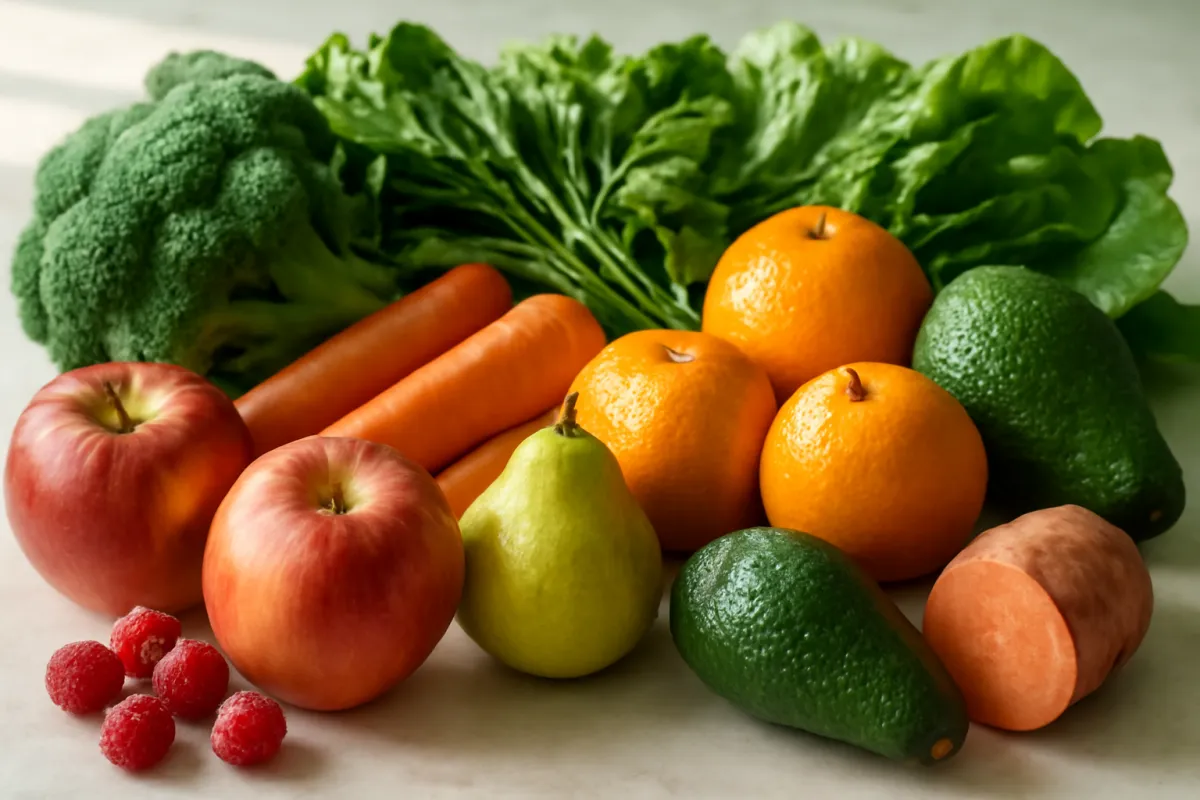
Diets that include very little or no fruit and vegetable intake over a sustained period are the most direct risk factor for vitamin C deficiency, since the nutrient is concentrated almost entirely in these food groups in a typical diet, with few other significant sources. This can reflect a range of underlying situations, highly restrictive eating patterns, certain medical diets followed without adequate planning, or simply strong food preferences sustained over a long period, each with a different appropriate response.
Reintroducing even a modest, consistent amount of fruit or vegetable intake is generally enough to prevent or correct vitamin C deficiency from this cause specifically, since the reference intake itself is comparatively modest relative to what common produce supplies, and a single serving of several commonly cited high-vitamin-C foods can meet or exceed the daily reference amount on its own.
Alcohol Use and Vitamin C
Alcohol use disorder is named as a risk factor for vitamin C deficiency through a combination of mechanisms reference sources discuss together: reduced overall diet quality and quantity common with heavy alcohol use, and alcohol’s broader effects on nutrient absorption and metabolism, which are not specific to vitamin C alone and overlap with several other nutrient deficiencies discussed in clinical literature on alcohol use disorder.
Anyone managing alcohol use is generally best served addressing it with a clinician who can consider the fuller nutritional picture, since vitamin C is rarely the only nutrient affected in this context, and addressing the drinking pattern itself generally does more for overall nutritional status than targeting any single nutrient in isolation.
Malabsorption and Gastrointestinal Conditions
Conditions affecting the absorption of nutrients from the digestive tract, including certain inflammatory bowel conditions and a history of some gastrointestinal surgeries, are discussed as a risk factor for vitamin C deficiency through reduced absorption regardless of dietary intake, similar in principle to the absorption-related risk factors discussed for iron and calcium elsewhere on this site. Anyone managing one of these conditions is generally already working with a gastroenterologist or dietitian who can factor vitamin C and related nutrients into that care. Bariatric surgery is discussed in this same context in some nutrition literature, for reasons structurally similar to the protein and calcium absorption concerns covered in this site’s other deficiency reviews, which is one more reason post-surgical nutrition monitoring commonly tracks several nutrients together rather than any single one in isolation.
Food Insecurity and Social Isolation in Older Adults
Limited or inconsistent access to food, and more specifically to fresh fruits and vegetables, which are more perishable and sometimes more expensive than shelf-stable staples, is named as a straightforward risk factor for vitamin C deficiency. Some clinical literature specifically discusses older adults living alone, particularly with reduced mobility or cooking ability, as a recognizable risk group, reflecting a combination of reduced appetite, limited shopping access, and simplified diets that can quietly drop fruit and vegetable intake over time.
This is a circumstance rather than a dietary choice in most cases, and it is one of the more directly addressable risk factors once identified, through community food resources, meal support programs, or family involvement in grocery shopping and meal planning. Shelf-stable options, including frozen fruit and vegetables and unsweetened fruit juice in moderation, are worth remembering here too, since vitamin C content in frozen produce is generally well preserved and can be a practical substitute where fresh produce is harder to access consistently.
Cooking, Storage, and Why Vitamin C Content Varies
Vitamin C is one of the more fragile nutrients in food, notably sensitive to heat, light, air, and time, which is why reference sources generally describe boiling and prolonged storage as reducing vitamin C content in produce more than other cooking and storage methods do. Steaming, microwaving briefly, and eating produce raw or lightly cooked are generally discussed as preserving more vitamin C than extended boiling, where the nutrient can leach into the cooking water and is then discarded if that water is poured away.
This matters less for the deficiency question this review focuses on, since even produce with somewhat reduced vitamin C from cooking or storage generally still contributes meaningfully toward the reference intake, and more for anyone trying to maximize intake from a limited amount of produce specifically. Our vitamin C intake review covers specific food sources and amounts in more depth than this symptom-focused review attempts to.
Vitamin C During Pregnancy and Breastfeeding
Reference intakes for vitamin C are generally set modestly higher during pregnancy and breastfeeding than the standard adult figure, reflecting increased demands during these life stages, though the increase is comparatively small relative to some other nutrients discussed on this site. Vitamin C is also a component of many prenatal vitamin formulations, which for most women supplementing as directed covers this increase alongside dietary intake.
Anyone with specific questions about vitamin C during pregnancy or breastfeeding, including whether additional supplementation beyond a standard prenatal vitamin is useful, should raise it with the clinician or midwife managing that care, consistent with the guidance given throughout this site’s other reviews of nutrition during these life stages.
Vitamin C in Children
Children have their own reference intakes for vitamin C, generally lower in absolute terms than the adult figure reflecting smaller body size, and clinically significant vitamin C deficiency in children with reliable food access is uncommon, similar to the adult picture described throughout this review. Highly selective eating patterns in children, sometimes connected to sensory sensitivities or certain developmental conditions, are occasionally discussed in pediatric literature as a situation worth monitoring for several nutrients at once, vitamin C among them, rather than vitamin C specifically.
Any concern about a child’s diet variety or nutritional status is better addressed with a pediatrician, who can track growth and consider the fuller dietary picture, than through general guidance in this adult-focused review.
An Illustrative Risk Picture, by Factor
An illustrative stack of overlapping risk factors
One illustrative example person with several common risk factors present at once. Not a scoring system and not a real case.
Segments sum to 100 percent of one illustrative example and are not weighted probabilities or a statement about how these factors actually combine in any real person.
As with the other risk charts on this site, the lesson is that factors compound. A person with two or three of these present, smoking combined with very limited produce intake, for instance, is a more reasonable candidate for a conversation about vitamin C status than a person with one or none. Run your own combination through the companion below.
How Vitamin C Status Is Diagnosed
Diagnosis generally combines a clinical assessment, dietary history, known risk factors, and physical findings such as gum changes, bruising, or the corkscrew hair pattern discussed earlier, with a blood ascorbic acid level where that test is available. Unlike some of the other nutrients covered on this site, a vitamin C blood level is not part of routine blood panels and is not always readily accessible in every clinical setting, which means diagnosis often leans more heavily on the clinical picture, including response to treatment, than purely on a lab number.
A clinician suspecting vitamin C deficiency based on risk factors and physical findings may begin addressing it based on that clinical judgment rather than waiting on a specialized lab test that may not be locally available, which is a reasonable and accepted approach in this specific case. This differs somewhat from the iron and calcium reviews elsewhere on this site, where a specific blood marker is the generally expected first step, reflecting how much more commonly those particular tests are built into routine laboratory practice.
What Happens After a Diagnosis
Treatment for confirmed or clinically suspected vitamin C deficiency generally involves correcting the underlying dietary or risk-factor pattern alongside a structured increase in vitamin C intake, often set by a clinician at a level above the standard reference intake for a defined period to replenish depleted stores, followed by a return to ordinary dietary intake once symptoms resolve. The specific amount and duration depend on severity and are a clinical decision this evidence review will not attempt to specify.
Symptom improvement with appropriate treatment is generally described as relatively prompt for several of the earlier signs, gum changes and fatigue among them, which is itself sometimes used as part of confirming the diagnosis when lab testing is not readily available. More advanced findings, including joint swelling or significant bruising, are generally described as taking somewhat longer to resolve fully, and a clinician following treatment will typically track both symptom resolution and, where available, repeat bloodwork to confirm the correction.
Because vitamin C deficiency rarely occurs in complete isolation, particularly when driven by alcohol use, food insecurity, or a malabsorption condition, a clinician addressing it will generally also screen for and address other nutrient shortfalls that commonly travel alongside it, rather than treating vitamin C as an isolated finding.
High-Dose Supplements and Upper Limits
Vitamin C supplements are widely available in doses far exceeding the reference intake, often marketed around immune support, and it is worth being clear about what research actually supports versus what marketing implies. Vitamin C is water-soluble, meaning the body does not store large reserves of it the way it does with some other vitamins, and intake beyond what the body can use is generally excreted in urine rather than accumulating to any meaningful benefit, which is part of why very high-dose supplementation has not been shown to meaningfully outperform adequate dietary intake for most healthy people.
Commonly cited upper intake levels exist for vitamin C, generally in the range of 2,000 milligrams a day for adults, above which digestive upset, including diarrhea and stomach cramping, becomes more commonly reported, and very high intakes are discussed in some literature as a consideration for people with a history of kidney stones specifically, since vitamin C metabolizes partly into oxalate. This review does not recommend a specific supplement dose for any reader; anyone considering a high-dose vitamin C supplement, particularly with a personal or family history of kidney stones, should discuss it with a doctor or pharmacist first.
Common Misunderstandings About Vitamin C
The most persistent misunderstanding is that vitamin C prevents or cures the common cold, a claim with weak support in actual research. Studies generally find little to no effect of vitamin C on preventing colds in the general population, with a modest effect on shortening duration or severity observed in some but not all research, more consistently in people under significant physical stress, such as endurance athletes or people in extreme cold, than in ordinary daily life. This is a considerably more modest finding than the popular claim, and it should not be confused with the genuine topic of this review, clinical deficiency and its symptoms.
A second mistake is assuming “more is better” well past the reference intake, when vitamin C beyond what the body can use is generally not stored and is simply excreted, with very high intakes sometimes associated with digestive upset. A third mistake is assuming a reasonably varied diet puts someone at meaningful risk, when the reference intake is comparatively modest and ordinary produce intake generally exceeds it comfortably for most people without any of the specific risk factors discussed in this review.
A fourth mistake is treating vitamin C deficiency as a single, uniform condition rather than a spectrum, assuming that because someone does not have the advanced findings described earlier, like joint swelling or corkscrew hair, they could not have an earlier-stage deficiency at all. Clinical references describe a progression, and earlier signs like fatigue and mild gum changes are worth taking seriously in someone with clear risk factors even without the more advanced findings present yet. A fifth, related mistake is assuming the condition is all-or-nothing rather than a matter of degree, when reference sources generally describe a spectrum from mild, early signs through to the more severe, classically described presentation of scurvy.
When to See a Doctor
Raise vitamin C status with a clinician if you notice bleeding or swollen gums without an obvious dental explanation, easy bruising that is new or more pronounced than usual, wounds healing more slowly than expected, or joint pain and swelling without a clear cause, particularly if you fall into one or more of the higher-risk groups described above, smoking, very limited fruit and vegetable intake, alcohol use disorder, a GI condition affecting absorption, or food insecurity.
None of those situations requires a confident self-diagnosis first. Describing what you are experiencing and letting a clinician evaluate the fuller picture, including whether vitamin C status is relevant, is a far more reliable process than matching symptoms against this list or any other. This is equally true for raising a concern on behalf of an older family member living alone, where social and dietary factors can be harder for the person themselves to recognize as relevant than for someone observing from outside.
The bottom line
Vitamin C deficiency symptoms, where they occur, most consistently mean bleeding or swollen gums, easy bruising, fatigue, and slow wound healing earlier on, with joint pain and distinctive skin or hair changes discussed as the condition progresses, all tracing back to vitamin C’s role in stable collagen production. In places with reliable access to fruits and vegetables, clinically significant deficiency, scurvy, is generally uncommon, concentrated instead in specific risk groups: smoking, very limited produce intake, alcohol use disorder, certain GI conditions, and food insecurity or social isolation.
None of that adds up to a self-diagnosis from a symptom list, and the common-cold connection some readers associate with vitamin C is a separate, more modest topic than deficiency itself. If anything here sounds like your situation, the productive next step is a conversation with a clinician, not another search. For the rest of your overall nutrition picture alongside vitamin C, our daily protein target tool and vitamin C intake review are reasonable next stops.
This evidence review is published for general education about vitamin C status and the symptoms and risk factors commonly discussed alongside it, reproducing commonly cited associations. It is not medical advice, does not diagnose or rule out any condition including scurvy, and reading it creates no clinician-patient relationship. Every symptom described here is nonspecific except the corkscrew hair pattern discussed, and each has other, often more common, explanations. The symptom-consistency chart and the illustrative risk-factor chart are reading aids built by this evidence review, not published scores or diagnostic tools. Nothing here recommends any dose, product, test, or course of action for any person. Anyone experiencing concerning symptoms, anyone in a higher-risk group, and anyone wanting to know their own nutritional status should raise the question with a doctor or registered dietitian who knows their full history.
Frequently asked questions
What are the symptoms of vitamin C deficiency?
Clinical references most consistently name fatigue, bleeding or swollen gums, easy bruising, and slow wound healing as the earlier and more consistently reported signs of vitamin C deficiency, with joint pain, small red or purple spots on the skin, and corkscrew-shaped body hair discussed as the condition progresses. The clinical term for pronounced vitamin C deficiency is scurvy, and in places with reliable access to fruits and vegetables, it is generally described as uncommon outside specific risk groups.
Is vitamin C deficiency, or scurvy, common today?
In places with reliable access to a varied diet, clinically significant vitamin C deficiency is generally described as uncommon in the general population, since vitamin C needs are relatively modest and widely available in common fruits and vegetables. It becomes meaningfully more likely in specific circumstances: smoking, very limited fruit and vegetable intake, alcohol use disorder, certain malabsorption conditions, and social or economic factors limiting diet variety, all covered later in this review.
Why does smoking increase vitamin C needs?
Smoking is associated with increased oxidative stress in the body, and vitamin C is an antioxidant the body uses in responding to that stress, which is the commonly cited mechanism behind why reference intakes for smokers are generally set higher than for non-smokers, often by an additional amount on the order of 35 milligrams a day in commonly cited guidance. Smokers are consistently named as a higher-risk group for vitamin C deficiency in reference sources for this reason.
Why do gums bleed with vitamin C deficiency?
Vitamin C is required for the body to produce stable collagen, a structural protein that supports gum tissue, blood vessel walls, and connective tissue generally. When vitamin C status is significantly and chronically low, collagen production becomes less stable, which clinical references connect to bleeding gums, easy bruising, and slow wound healing, all reflecting the same underlying collagen mechanism working less well than it should.
How is vitamin C deficiency diagnosed?
Diagnosis generally combines a clinical picture, dietary history, risk factors, and physical findings like gum changes or bruising, with a blood ascorbic acid level where available, though this test is not part of routine blood panels and is not always readily accessible, which means diagnosis often leans more heavily on clinical assessment and response to treatment than for some other nutrient deficiencies covered on this site.
Who is most at risk of vitamin C deficiency?
Reference sources most consistently name smokers, people with very limited fruit and vegetable intake, people with alcohol use disorder, people with gastrointestinal conditions affecting absorption, and people facing food insecurity or social isolation that limits diet variety, older adults living alone named specifically in some literature. Several of these can overlap in one person, raising the overall picture further than any single factor.
Does vitamin C prevent or cure the common cold?
Research on vitamin C and the common cold is generally described as mixed, with most studies finding little to no effect on preventing a cold in the general population, and a modest effect on shortening duration or severity in some but not all research, more consistently observed in people under significant physical stress such as endurance athletes than in the general public. This is a different, far more modest claim than vitamin C preventing colds outright, which is not well supported.
What foods help prevent vitamin C deficiency?
Citrus fruits, strawberries, kiwi, bell peppers, and broccoli are commonly cited as particularly rich sources, and a reasonably varied diet including fruits and vegetables most days generally supplies vitamin C comfortably above the reference intake for most people. Our vitamin C intake review on this site covers the reference amounts and food sources in more depth.

Hamza Hai is the editor of NourishMark. She holds an MBA and reviews the site's articles against our editorial standards, checking that every figure is labelled for what it is, that nothing is presented as verified fact without a source the reader can check, and that the writing stays useful to a non-specialist.

Dr. Shayaan Khan is the medical reviewer for NourishMark. He holds an MBBS from MGM Medical College, Navi Mumbai, and is the author of published research including a narrative review of postpartum anxiety and depression in Mental Health Science. He has taught physiology at university level. He reviews the site's health content for medical accuracy: that physiology and mechanisms are described correctly, that no claim is stated more strongly than the evidence behind it, and that anything specific to an individual reader is sent to that reader's own clinician.
Not medical advice. Dr. Khan reviews NourishMark's health content for medical accuracy. He is not a registered dietitian, he does not hold a United States practising licence, and he is not your doctor. His review does not make anything here medical advice. Always talk to a qualified health professional about your own situation, and never delay or stop care because of something you read here.