
What's in this review
- What counts as a Mediterranean-style dinner
- Core principles carried over from the full pattern
- Fish and seafood as the dinner default
- Poultry and eggs at dinner
- Legumes as a real main dish
- Red meat at dinner: occasional, not banned
- Vegetables as the largest share of the plate
- Whole grains and starches at dinner
- A practical Mediterranean dinner food list
- An illustrative dinner week, by protein
- An illustrative Mediterranean dinner plate
- Weeknight structures versus weekend dinners
- A sample week of Mediterranean-style dinners
- Meal prep for Mediterranean-style dinners
- Dinner on a budget
- Portions and sodium at Mediterranean-style dinners
- How Mediterranean-style dinners vary across the region
- Pairing dinner with the rest of the day
- Beverages and what to drink at Mediterranean-style dinners
- Entertaining and shared Mediterranean-style dinners
- Leftovers and repurposing a Mediterranean-style dinner
- Kids and family dinners, Mediterranean-style
- A grocery list for a week of Mediterranean dinners
- Digestion and how a Mediterranean-style dinner sits
- Tracking your own dinner pattern over a few weeks
- Common mistakes with Mediterranean-style dinners
- Who should be cautious or check with a professional
- Swapping out a typical processed dinner, step by step
- Herbs, spices, and building a flavor base for dinner
- Building your own Mediterranean dinner week
- The bottom line
Short answer: A Mediterranean-style dinner commonly centers on a vegetable-heavy base, a whole grain or legume portion, and a protein, most often fish or seafood with poultry, eggs, or a plant protein in rotation, finished with olive oil, herbs, and lemon rather than a heavy cream sauce. Nothing is forbidden, and the structure scales from a fifteen-minute weeknight sheet pan to a slower weekend dish built around the same vegetables-grains-protein shape described throughout this pattern.
Dinner is where the Mediterranean pattern’s principles have to survive real weeknight constraints, limited time, a household with different preferences, and whatever is actually in the refrigerator. For the full pattern this article draws from, see our Mediterranean diet explained review, and for a lighter morning version of the same principles, our Mediterranean breakfast ideas review covers that meal specifically.
This review focuses on dinner: the core structure, a practical food list, weeknight versus weekend approaches, a sample week, and the honest caveats around portions and who should check with a professional. Build your own illustrative dinner week in the companion below.
Key takeaways
- A Mediterranean-style dinner commonly pairs a vegetable-heavy base, a whole grain or legume, and a protein, fish most often, with poultry, eggs, or a plant protein in rotation.
- Nothing is forbidden; a refined-pasta-and-little-else dinner, fried food, or a heavy cream sauce simply sit further from the pattern's base than a nightly default would.
- Legume-based dinners, lentil or bean stews, are a traditional centerpiece in the pattern, not a substitution for a "real" dinner.
- Simple preparations, roasting, simmering, and grilling with olive oil, herbs, and lemon, hold up well to real weeknight time constraints.
- These structures and frequencies are illustrative references for reasoning about a dinner pattern, not a personal prescription; anyone with a medical condition should confirm changes with a doctor or registered dietitian.
What counts as a Mediterranean-style dinner
There is no single, official Mediterranean dinner, since the pattern spans many countries and households rather than a fixed menu, but a structure recurs across commonly cited descriptions: vegetables filling a large share of the plate, a moderate portion of a whole grain or legume, and a protein, most often fish or seafood, prepared simply and finished with olive oil, herbs, and lemon rather than a heavier sauce.
This structure is flexible by design. A dinner built around roasted vegetables, a lentil stew, and a side of whole grain bread fits the pattern just as well as a grilled fish dinner with a Greek salad and bulgur, because both follow the same underlying shape even though the specific ingredients differ considerably. What stays constant across both examples is the proportion, vegetables leading, a moderate grain or legume portion, and a protein prepared simply rather than fried or heavily sauced.
Core principles carried over from the full pattern
The principles covered in our Mediterranean diet explained review apply directly at dinner: vegetables and whole grains as the largest share of the plate, olive oil in place of butter or a heavier fat, fish emphasized over red meat, and legumes treated as a genuine main dish rather than a side note. Dinner is simply the meal where these principles typically show up in their most complete, multi-component form, since it is often the meal with the most food variety on the plate at once.
The main adjustment specific to dinner, compared with breakfast, is that dinner usually involves more active cooking and more people at the table, which raises the practical question this review spends more time on: how to hold onto the pattern’s structure under real weeknight time and household constraints, rather than only on a slow, unhurried evening with nothing else competing for attention.
Fish and seafood as the dinner default
Fish and seafood are the protein most emphasized in Mediterranean-style eating, commonly cited at a couple of times a week or more, and dinner is the meal where this shows up most often in practice. Baked, grilled, or pan-seared white fish or salmon with a squeeze of lemon and a drizzle of olive oil is a simple, fast preparation that needs little more than seasoning and a reasonably short cooking time.
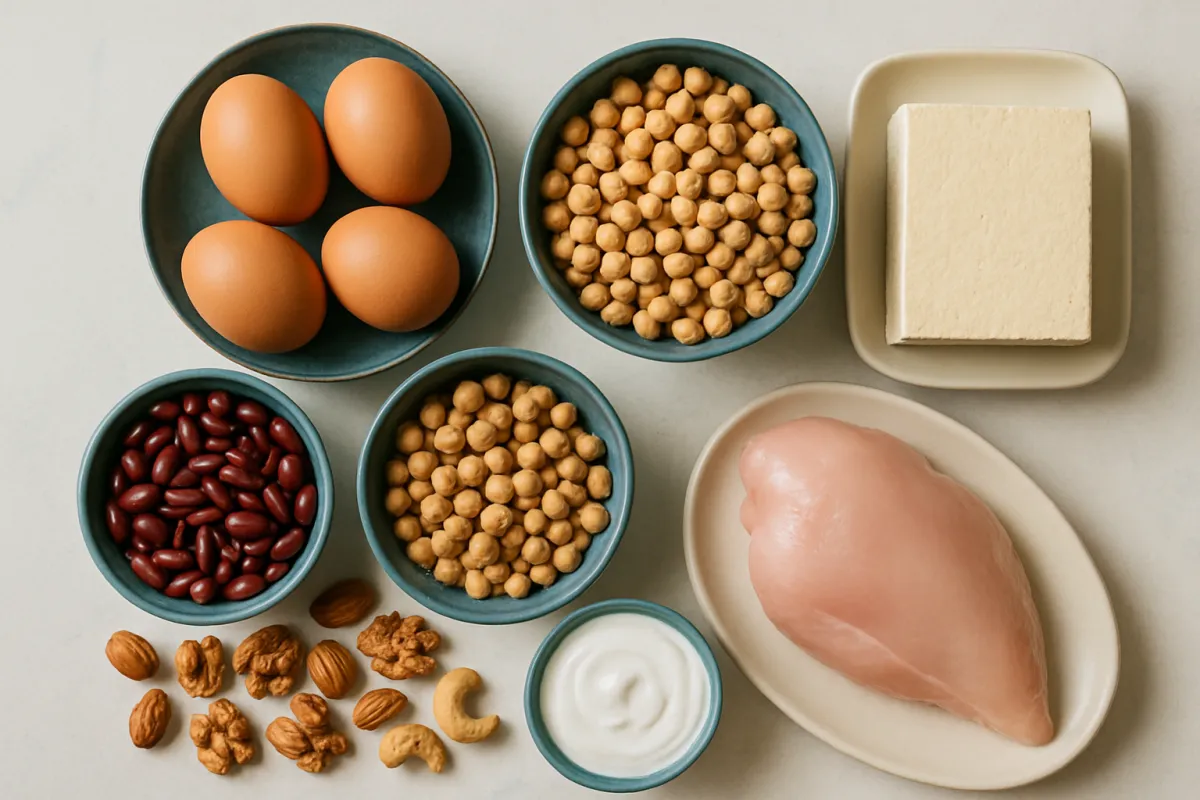
Canned fish, sardines, tuna, and canned salmon, count toward this frequency and are considerably faster and more affordable than fresh fillets, which matters for making a twice-weekly fish dinner realistic on an ordinary schedule rather than only for special occasions. Our omega-3 foods guide covers the fatty fish side of this in more depth, including which species are more consistently cited as richer sources.
Poultry and eggs at dinner
Poultry occupies a middle tier in the pattern, eaten regularly but not as the automatic default protein at every dinner the way it might be in some other eating patterns. Roasted or grilled chicken or turkey, paired with a vegetable-heavy side and a whole grain, fits the Mediterranean structure comfortably a few times a week.
Eggs, more commonly associated with breakfast in many households, also appear at dinner in Mediterranean-region cooking, often folded into a vegetable-based dish like a frittata or a shakshuka-style preparation, which is a useful option for a fast, protein-forward dinner that leans heavily on vegetables already on hand.
Legumes as a real main dish
Legume-based dinners, lentil soup, chickpea stew, white bean and vegetable braises, are a traditional centerpiece in many Mediterranean-region households, not a side dish or a meat substitute treated as lesser. A pot of lentils simmered with tomatoes, garlic, and herbs, served with a piece of bread or a scoop of rice, is a complete dinner in its own right within the pattern.
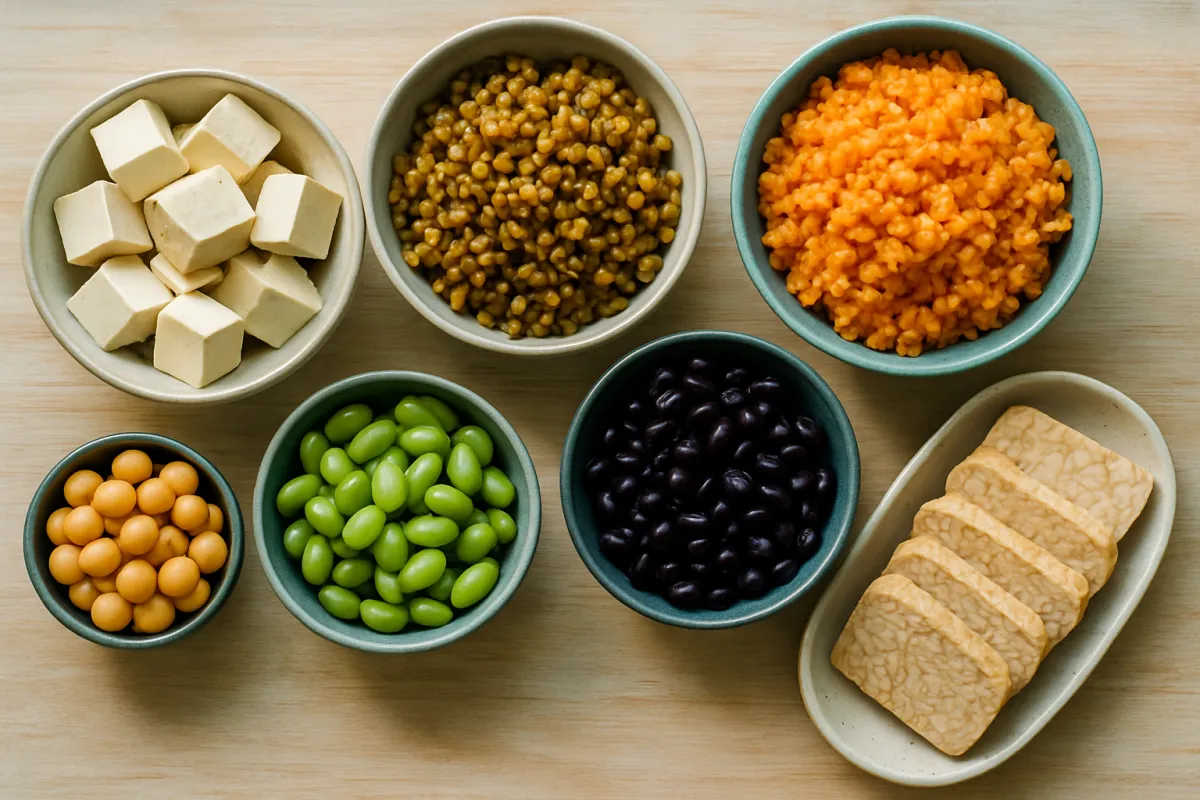
Beyond their role in the pattern’s structure, legumes are also one of the more affordable dinner proteins available, which makes a legume-based dinner a useful one or two times a week specifically for stretching a grocery budget, covered further in the budget section below, while still delivering meaningful fiber and plant protein alongside the cost savings.
Red meat at dinner: occasional, not banned
Red meat dinners are not forbidden in the Mediterranean pattern; they are simply positioned as occasional rather than nightly, commonly cited at a few times a month in many descriptions. A red meat dinner built around a reasonable portion alongside a vegetable-heavy side still fits comfortably within an otherwise Mediterranean-style week, the same way an occasional dessert fits without undoing the broader pattern.
The practical implication is proportion across a week rather than a rule for any single dinner: a week with five or six fish, poultry, or legume-based dinners and one red meat dinner reflects the pattern’s commonly cited emphasis more closely than a week where red meat is the nightly default, without treating any single meal as a failure.
Vegetables as the largest share of the plate
Vegetables are the one component of a Mediterranean-style dinner that is consistently described as taking up the largest physical share of the plate, roughly half in many commonly cited visual guides to the pattern. Roasted, grilled, or simmered preparations with olive oil, garlic, and herbs are the default rather than boiled vegetables with little seasoning, which matters for making a vegetable-heavy plate something people actually want to eat regularly rather than a chore.
Tomatoes, zucchini, eggplant, peppers, onions, leafy greens, and artichokes appear constantly across Mediterranean-region dinner dishes, and a simple approach, roasting a mix of whatever vegetables are on hand with olive oil and dried herbs, covers a wide range of them without requiring a specific recipe for each one.
Whole grains and starches at dinner
Whole grains, whole wheat pasta, bulgur, farro, brown rice, and barley, or a starchy vegetable like potatoes, make up the moderate carbohydrate portion of a Mediterranean-style dinner. As at breakfast, the relevant distinction is whole versus refined rather than carbohydrate presence versus absence; whole grain pasta with a vegetable and tomato sauce fits the pattern considerably more closely than a large portion of refined white pasta with little else on the plate.
Pre-cooking a batch of a whole grain earlier in the week, covered further in the meal-prep section below, is one of the more effective ways to keep this component from becoming the slowest part of a weeknight dinner.
A practical Mediterranean dinner food list
- Vegetables: tomatoes, zucchini, eggplant, peppers, onions, leafy greens, artichokes, and similar produce, generally the largest share of the plate.
- Whole grains and starches: whole wheat pasta, bulgur, farro, brown rice, barley, or potatoes, in a moderate portion.
- Legumes: lentils, chickpeas, white beans, and fava beans, used as a main dish or alongside a smaller portion of another protein.
- Fish and seafood: white fish, salmon, sardines, tuna, and shellfish, aimed at a couple of times a week or more.
- Poultry and eggs: chicken, turkey, and egg-based dishes, a few times weekly.
- Occasional red meat: reserved for a few times a month in many commonly cited descriptions rather than nightly.
- Fat and flavor: olive oil, garlic, lemon, and herbs, used in place of butter and heavier sauces.
- Occasional dairy: a modest portion of cheese, feta or parmesan most commonly, used more as a flavor accent than a primary component.
An illustrative dinner week, by protein
Illustrative weekly frequency of dinner proteins
Bars show how many dinners out of seven a protein commonly appears across Mediterranean-style dinner descriptions. An illustrative reference, not a fixed schedule.
Bars scale to a 7 dinner week. Illustrative, commonly cited frequencies for reasoning about a dinner pattern, not a fixed schedule.
Reading this chart as a rotation rather than a strict schedule is the more useful approach: roughly half the week’s dinners leaning on legumes or fish, a couple more on poultry or eggs, and red meat showing up once or so, with the exact days flexible around whatever a given week actually looks like.
An illustrative Mediterranean dinner plate
An illustrative Mediterranean dinner, by component
Approximate share of a typical Mediterranean-style dinner plate. Illustrative structure, not a fixed recipe or nutrition claim.
Segments are an illustrative structure for reasoning about proportions, not a measured nutrition breakdown or a prescribed recipe.
This plate composition mirrors the full-pattern illustration in our Mediterranean diet explained review, applied specifically to dinner, since dinner is often where the full version of the plate structure shows up most clearly across a day.
Weeknight structures versus weekend dinners
Weeknight dinners benefit most from a small number of fast, repeatable structures: a sheet pan of vegetables roasted alongside fish or chicken, a quick legume stew built from canned beans and tomatoes, or a grain bowl assembled from pre-cooked grains, roasted vegetables, and a simple protein. Each of these takes roughly thirty minutes or less of active effort once the basic technique is familiar.
Weekend dinners have more room for a slower braise, a whole roasted fish, or a shared, multi-dish meal with several smaller plates, closer to how a traditional Mediterranean-region dinner might unfold when time and company allow for it. Matching the structure to the actual time available on a given night, rather than aiming for the slower version every night, is what keeps the pattern realistic across a full week, since a rotation that only works on unusually relaxed evenings tends not to survive an ordinary busy one.

A sample week of Mediterranean-style dinners
An illustrative week built from the structures above might look like baked salmon with roasted vegetables and bulgur on Monday; a lentil and vegetable stew with bread on Tuesday; grilled chicken with a Greek-style salad and whole grain pita on Wednesday; a sheet pan of shrimp and vegetables over rice on Thursday; a vegetable and chickpea dish on Friday; a slower weekend braise or roasted whole fish on Saturday; and an occasional red meat dinner, paired with a large vegetable side, on Sunday.
None of this is a required menu, and swapping any individual dinner for another protein or vegetable combination that follows the same structure, vegetables as the largest share, a moderate grain or legume portion, a protein prepared simply, keeps the week consistent with the pattern without following a specific recipe list. A household with different preferences at the table can also split a single base, the roasted vegetables and grain, across two different proteins cooked alongside it, which keeps the shared structure intact even when not everyone wants the same dish.
Meal prep for Mediterranean-style dinners
A few prep habits make this structure considerably easier to sustain on a real weekly schedule. Cooking a large batch of a whole grain, rice, farro, or bulgur, once or twice a week covers the grain portion for several dinners without repeating that step nightly. Washing and chopping a few days’ worth of vegetables in one sitting, or buying pre-washed options, removes one of the more time-consuming parts of a vegetable-heavy dinner. Keeping canned beans, canned fish, and canned tomatoes stocked covers a fast legume or fish dinner on nights with little time or energy for anything more involved.
Our meal prep guide covers the general mechanics of batch preparation in more depth, and the same approach applies directly to sustaining a Mediterranean-style dinner rotation across a busy week.
Dinner on a budget
A Mediterranean-style dinner is generally affordable when built around its own emphasized ingredients: dried or canned legumes, seasonal vegetables, whole grains, and canned fish are consistently among the lower-cost proteins and carbohydrates available, often cheaper than the red meat or heavily processed convenience dinners they are replacing as the nightly default. Buying fresh fish when it is reasonably priced and leaning on canned options otherwise, and building legume-based dinners once or twice a week specifically to control cost, both keep a week of dinners within an ordinary grocery budget.
Our budget grocery list guide and eating healthy on a budget review go further into stretching a grocery budget around a pattern like this.
Portions and sodium at Mediterranean-style dinners
Because nothing is strictly forbidden in this pattern, portion awareness still matters, particularly for olive oil, cheese, and any added salt in sauces or marinades. Olive oil used generously across several dinner dishes in a week, cooking, dressing, and finishing, can add up in calories even though it is a generally favored fat, and a modest, repeated amount across the week tends to be more consistent with commonly cited guidance than an unmeasured amount at every dish.
Herbs, garlic, and lemon doing much of the flavor work, rather than salt alone, is a recurring feature of Mediterranean-region cooking discussed in more depth in our Mediterranean diet explained review, and it applies directly at dinner, where sauces and marinades are a common place added sodium accumulates without much notice. Our sodium guide covers daily sodium targets if that is a specific concern.
How Mediterranean-style dinners vary across the region
“The Mediterranean dinner” simplifies considerable regional variety, and it is worth naming that directly. A Greek household’s typical dinner might center on a baked fish or a vegetable-and-legume dish like gigantes, large baked beans in tomato sauce, alongside a Greek salad. An Italian dinner might lean on a whole grain pasta with a vegetable and seafood sauce, or a simple grilled fish with a side of greens. A Levantine or North African Mediterranean-region dinner often brings in a wider range of spices, grilled meats in smaller portions alongside a larger vegetable and grain spread, and dishes like stuffed vegetables or a chickpea-based stew.
This review draws on the common structure across these variations, vegetables as the largest share, a moderate grain or legume portion, a rotating protein emphasizing fish, rather than presenting any single country’s dinner as the definitive version. That regional range is useful in practice: it means a household can build a Mediterranean-style dinner rotation around whichever regional flavors and ingredients it already prefers, rather than adopting an unfamiliar cuisine wholesale.
Pairing dinner with the rest of the day
Dinner does not operate in isolation from breakfast and lunch, and a Mediterranean-style dinner is most useful as the closing meal of a day that carries similar principles throughout, covered in our Mediterranean diet explained and Mediterranean breakfast ideas reviews. A strong Mediterranean-style dinner following a day of otherwise processed, refined eating will not deliver the same picture the broader pattern describes, since commonly cited research on the pattern examines the full day and week rather than dinner in isolation.
That said, dinner is often the meal with the most room to course-correct a day that started poorly, since it is frequently the meal with the most available time and the widest variety of ingredients on hand, which makes it a reasonable place to concentrate vegetable intake if earlier meals fell short.
Beverages and what to drink at Mediterranean-style dinners
Water is the default beverage at most Mediterranean-region dinners, with a modest amount of wine appearing at some meals in some households, a cultural and optional detail covered in more depth in our Mediterranean diet explained review. Sparkling or still water with a slice of lemon is a common, simple alternative for anyone who wants something beyond plain water without reaching for a sugary drink.
Anyone managing alcohol intake for a medical reason, who is pregnant, or who simply does not drink should leave wine out entirely; nothing about the dinner structure described in this review depends on it, and our hydration guide covers a practical water-focused approach for dinner and the rest of the day.
Entertaining and shared Mediterranean-style dinners
Dinner in Mediterranean-region households is frequently a shared, social meal, several smaller dishes spread across the table rather than a single plated entree, which is a detail that shows up in some descriptions of the pattern alongside the food itself. A shared-style dinner, a vegetable dip or two, a grain or legume salad, a simply prepared fish or chicken, and bread, scales naturally for guests without requiring a dramatically different approach than a smaller weeknight version.
This format also tends to naturally increase vegetable and legume variety at the table, since several smaller dishes allow more food groups to appear at once than a single-protein-and-side plated meal typically does, which can be a useful entertaining strategy independent of any specific health claim.
Leftovers and repurposing a Mediterranean-style dinner
Many Mediterranean-style dinners hold up well as leftovers and repurpose easily into the next day’s lunch. A legume stew often tastes better the next day as the flavors continue to develop, roasted vegetables fold easily into a grain bowl or an omelet, and extra grilled fish or chicken works cold over a salad. Cooking a slightly larger batch of the grain, legume, or protein portion on a night with more time, specifically to cover a lunch or a second dinner later in the week, is a practical way to get more use out of a single cooking session.
Kids and family dinners, Mediterranean-style
Most components of a Mediterranean-style dinner, roasted vegetables, pasta with a vegetable sauce, grilled chicken, are already familiar foods to most families, which makes the pattern realistic for a shared family table without separate meals for children and adults. Offering components separately rather than fully combined, vegetables, grain, and protein each on their own part of the plate, tends to work better for children who are hesitant about mixed dishes, while still following the same underlying structure.
Any specific allergy, growth concern, or picky-eating challenge is better addressed with a pediatrician or registered dietitian than with general suggestions from a nutrition article, which cannot evaluate an individual child’s needs or eating history.
A grocery list for a week of Mediterranean dinners
A short, repeatable grocery list covers most of a week’s Mediterranean-style dinners without extensive planning. A workable core list runs through a couple of fresh or frozen fish fillets, a few cans of beans, lentils, or chickpeas, canned tomatoes, a bag of a preferred whole grain, a rotating selection of seasonal vegetables, a bottle of everyday olive oil, garlic, lemon, and a small set of dried herbs, oregano, thyme, and rosemary among the most versatile.
Buying chicken or fish when reasonably priced and freezing portions, and leaning on dried or canned legumes as a reliable, shelf-stable backbone for at least one or two dinners a week, keeps this list affordable and realistic on an ordinary schedule. This list overlaps considerably with the broader Mediterranean grocery list covered in our Mediterranean diet explained review, since dinner draws on the same core staples as the rest of the pattern rather than requiring a separate shopping list.
Digestion and how a Mediterranean-style dinner sits
A dinner built around vegetables, whole grains, and legumes carries meaningfully more fiber than a dinner built around refined pasta or a large portion of meat with little else, and fiber-rich meals are commonly associated with more comfortable digestion and steadier fullness into the evening compared with a low-fiber, high-refined-carbohydrate alternative. This is a generalized association rather than a guarantee, and some people find a sudden increase in legumes specifically causes temporary digestive adjustment, commonly addressed by increasing legume intake gradually over a few weeks rather than all at once.
Eating dinner at a reasonable hour relative to bedtime, and avoiding a very large portion eaten quickly, are separate, commonly discussed habits that support comfortable digestion alongside the food choices themselves, though neither is a core principle of the Mediterranean pattern specifically.
Tracking your own dinner pattern over a few weeks
For anyone unsure whether their current dinner rotation lines up with the ideas in this review, a simple two or three week log, noting the main protein and whether vegetables filled roughly half the plate each night, tends to reveal the pattern clearly without any other tracking. This shows how many dinners leaned on fish, poultry, or legumes versus how many defaulted to red meat or a vegetable-light plate.
This kind of loose tracking is not about hitting an exact score; it is a practical way to see where the most useful swaps, adding a legume-based dinner once a week, increasing the vegetable portion on nights it currently runs small, would have the most effect, which tends to be more useful than guessing at changes without first seeing the current baseline clearly.
Common mistakes with Mediterranean-style dinners
A handful of patterns undercut this approach more often than any single dish does.
- Treating vegetables as a small side rather than the largest share of the plate. The pattern’s own emphasis puts vegetables first by volume, not last.
- Defaulting to the same red meat dinner most nights out of habit. Rotating toward fish, poultry, and legumes more often is what the pattern’s commonly cited frequencies actually describe.
- Using a heavy cream or butter-based sauce and calling it Mediterranean because a dish includes olive oil elsewhere. The fat substitution matters throughout the dish, not as one ingredient among several heavier ones.
- Skipping legume-based dinners because they feel like a lesser option. They are a traditional centerpiece in the pattern, not a compromise.
- Expecting every dinner to look like a restaurant version of the pattern. A fast sheet pan or a canned-bean stew on a busy weeknight is still a genuine Mediterranean-style dinner.
Who should be cautious or check with a professional
This general dinner structure is appropriate for most healthy adults, but a few situations call for individualized guidance. Anyone with kidney disease should discuss legume and overall protein intake with their doctor, since some legumes carry a meaningful amount of potassium and phosphorus that may need to be managed differently depending on kidney function. Anyone with a shellfish or fish allergy should substitute poultry, eggs, or a plant protein rather than following the fish-forward examples in this review literally. Anyone managing sodium intake for blood pressure or heart failure should pay particular attention to store-bought sauces, broths, and canned goods, which can carry meaningful sodium even within an otherwise Mediterranean-style meal.
Pregnant individuals should also follow their obstetric provider’s specific guidance on fish choices and preparation, since mercury and food-safety considerations during pregnancy go beyond what this general-audience review can responsibly cover.
Swapping out a typical processed dinner, step by step
For anyone starting from a dinner routine built mostly around refined pasta, fried food, or heavily processed convenience meals, a gradual sequence of swaps tends to work better than an abrupt overhaul of every dinner at once. A reasonable first step is simply adding a vegetable side to whatever is already being eaten, without removing anything yet. A second step swaps the starch, whole grain pasta or rice in place of refined versions, while keeping the added vegetable from the first step. A third step introduces one legume-based dinner a week in place of a meat-based one, and a fourth increases fish frequency toward the commonly cited couple-of-times-a-week reference.
Spacing these steps out over several weeks, rather than attempting all of them in a single week, mirrors the gradual approach commonly suggested for adopting the broader Mediterranean pattern, and it tends to produce a rotation that actually sticks rather than one that reverts to old defaults after the first difficult week. There is no fixed timeline that applies to everyone, and moving through these steps faster or slower than a specific schedule is reasonable either way.
Herbs, spices, and building a flavor base for dinner
A small, repeatable set of herbs and aromatics does most of the flavor work across a week of Mediterranean-style dinners, which matters because flavor, not willpower, is usually what determines whether a vegetable-heavy dinner gets eaten enthusiastically or reluctantly. Garlic, onion, and olive oil form a base for a large share of Mediterranean-region dishes, and a small rotating set of dried herbs, oregano, thyme, rosemary, and a bay leaf or two, covers most vegetable, legume, and fish preparations without requiring a large spice collection.
Fresh herbs, parsley, dill, and mint among the most common, and a finish of lemon juice or zest, add brightness that further reduces the need for added salt, a detail covered from the sodium side in the portions section above. Building familiarity with a small set of these flavor combinations, rather than following a different recipe every night, is what makes a Mediterranean-style dinner rotation feel repeatable rather than like a new project each evening.
Building your own Mediterranean dinner week
Bringing the pieces together: start with vegetables as the largest share of the plate, add a moderate portion of a whole grain or legume, and rotate the protein across fish, poultry, legumes, and occasional red meat following the frequencies described above. Lean on simple preparations, roasting, grilling, simmering, with olive oil, herbs, and lemon doing the flavor work, and match the complexity of a given dinner to the actual time available that night.
Use the companion below to set your own weekly fish, legume, poultry, and red meat dinner frequency and see how closely an illustrative week lines up with the pattern described here.
The bottom line
A Mediterranean-style dinner commonly pairs a vegetable-heavy base, a whole grain or legume portion, and a rotating protein, fish most often, with poultry, eggs, and legumes filling most other nights and red meat kept occasional, finished with olive oil, herbs, and lemon rather than a heavy sauce. Nothing is forbidden, legume-based dinners are a genuine main dish rather than a substitute, and weeknight structures like a sheet pan or a canned-bean stew hold up well under real time constraints. Pair this review with our Mediterranean diet explained review and our Mediterranean breakfast ideas review for the rest of the day’s pattern.
This evidence review is published for general education about how a Mediterranean-style dinner is commonly described in nutrition sources, and it is not medical or dietary advice, and reading it creates no clinician-patient relationship. Every frequency, portion, and plate composition above is an illustrative, commonly cited reference for reasoning about a dinner pattern, not a personal prescription, a guaranteed outcome, or a measured nutrition claim about any specific food or dish. This article does not diagnose any condition. Anyone with kidney disease, an allergy, another medical condition, or who is pregnant, should confirm specific choices with a doctor or registered dietitian.
Frequently asked questions
What is a typical Mediterranean dinner?
There is no single official Mediterranean dinner, since the pattern spans many countries and households, but a structure that recurs across common descriptions includes a vegetable-heavy base, a whole grain or legume component, and a protein, most often fish or seafood, with poultry, eggs, or a plant protein in rotation, finished with olive oil, herbs, and lemon rather than a heavier cream-based sauce. Portion-wise, vegetables commonly take up the largest physical share of the plate, with the protein and grain or legume portion more moderate.
Can you eat chicken on the Mediterranean diet?
Yes. Poultry fits within the pattern, generally described as appropriate a few times a week, positioned between fish, the more frequently emphasized protein, and red meat, the more occasional one. A roasted or grilled chicken dinner with a vegetable-heavy side and a whole grain or legume fits the Mediterranean structure just as well as a fish-based version; fish is simply emphasized somewhat more often in commonly cited descriptions of the pattern.
How often should you eat fish for dinner on the Mediterranean diet?
Commonly cited Mediterranean-pattern guidance suggests fish or seafood at least a couple of times a week, though this is a general reference frequency rather than a fixed personal rule, and it does not need to happen exclusively at dinner. Canned options, sardines, tuna, and salmon, count toward this and tend to be more affordable and quicker to prepare on a weeknight than fresh fillets, which makes the frequency more realistic for a typical household schedule.
Is pasta allowed on the Mediterranean diet for dinner?
Yes, particularly whole wheat or whole grain pasta, which fits the pattern's whole-grain emphasis. The more relevant detail in commonly cited guidance is less about pasta itself and more about what accompanies it and how much: a tomato and vegetable-based sauce with a moderate pasta portion and a protein like beans or fish fits the pattern more closely than a large portion of refined white pasta with a heavy cream sauce and little else on the plate.
What vegetables are common in Mediterranean dinners?
Tomatoes, zucchini, eggplant, peppers, onions, leafy greens, and artichokes appear constantly across Mediterranean-region dinner dishes, often roasted, grilled, or simmered with olive oil, garlic, and herbs rather than fried or heavily sauced. Our food list section below groups these and other common dinner-appropriate vegetables and proteins together as a practical reference for grocery planning.
Can a Mediterranean dinner be vegetarian or vegan?
Yes, and legume-based dinners, lentil or chickpea stews, bean-based soups, are a traditional centerpiece in many Mediterranean-region households, not an unusual substitution. A vegetarian version can lean on eggs, legumes, and dairy; a fully vegan version leans further into legumes, tofu, nuts, and whole grains for protein. Our guide to getting protein without meat covers building a complete plant-based dinner in more depth.
How do you make a Mediterranean dinner quickly on a weeknight?
Several structures hold up well under real time pressure: canned beans or lentils simmered briefly with canned tomatoes, garlic, and herbs make a fast legume-based dinner; a sheet pan of vegetables roasted alongside fish or chicken needs little active attention; and pre-cooked whole grains, made in a larger batch earlier in the week, cut the remaining prep down to the protein and vegetables alone. The common thread is leaning on simple preparations, roasting, simmering, grilling, rather than elaborate techniques.
What should you avoid for a Mediterranean-style dinner?
Nothing is strictly forbidden, but the choices least consistent with the pattern's own emphasis are a dinner built mainly around refined pasta or white bread with little vegetable content, fried food as a regular default, and heavy cream or butter-based sauces in place of olive oil, herbs, and lemon. These are not banned as occasional choices; they simply sit further from the pattern's base than a nightly default would suggest.

Hamza Hai is the editor of NourishMark. She holds an MBA and reviews the site's articles against our editorial standards, checking that every figure is labelled for what it is, that nothing is presented as verified fact without a source the reader can check, and that the writing stays useful to a non-specialist.

Dr. Shayaan Khan is the medical reviewer for NourishMark. He holds an MBBS from MGM Medical College, Navi Mumbai, and is the author of published research including a narrative review of postpartum anxiety and depression in Mental Health Science. He has taught physiology at university level. He reviews the site's health content for medical accuracy: that physiology and mechanisms are described correctly, that no claim is stated more strongly than the evidence behind it, and that anything specific to an individual reader is sent to that reader's own clinician.
Not medical advice. Dr. Khan reviews NourishMark's health content for medical accuracy. He is not a registered dietitian, he does not hold a United States practising licence, and he is not your doctor. His review does not make anything here medical advice. Always talk to a qualified health professional about your own situation, and never delay or stop care because of something you read here.