
What's in this review
- How Much Omega-3 per Day? The Direct Answer
- ALA Reference Intakes by Age, Sex and Life Stage
- Why ALA Carries an Adequate Intake, Not a Full RDA
- Why EPA and DHA Have No Official Daily Figure
- Omega-3 Reference Intakes Compared
- ALA Food Sources: A Reference Table
- EPA and DHA Food Sources: A Reference Table
- Charting Marine Omega-3 Sources
- Why ALA-to-EPA/DHA Conversion Is Not a Reliable Backup Plan
- Building a Worked Day for ALA
- A Worked Day for EPA and DHA
- Fish Oil Supplements: Benefits and a Real Interaction to Know
- Why Omega-3 Is Called an Essential Fat
- Mercury: The Other Side of the Fish-for-Omega-3 Trade
- Reading a Fish Oil Label: Why 1,000 mg Is Not the Omega-3 Number
- Omega-3 Fortified Foods: Eggs, Milk and Beyond
- DHA and Pregnancy: Why This Life Stage Gets Extra Attention
- Common Misunderstandings About Omega-3
- Common Mistakes When Counting Omega-3
- A Short Omega-3 Shopping List
- Cost and Practicality: Comparing the Routes to Each Target
- When to Ask a Clinician
- The Bottom Line
Short answer: Omega-3 does not have one single daily figure. ALA, the plant form, carries a published Adequate Intake commonly cited near 1.6 grams a day for adult men and 1.1 grams for adult women. EPA and DHA, the marine forms, have no formal Dietary Reference Intake in the United States, though health organizations commonly suggest roughly 250 to 500 milligrams combined per day for general cardiovascular health. No upper limit is set for ALA from food; high-dose fish oil supplements are a separate, clinician-level question.
Omega-3 is an unusual entry on a nutrient reference table because it refuses to collapse into one number the way vitamin C or iron do. Ask how much omega-3 you need per day and the honest first answer is another question: which omega-3, the plant form or the marine forms, because the two are tracked completely differently in the official reference system, and conflating them is the single most common source of confusion on this topic. Marketing on supplement bottles and fortified foods rarely clarifies the distinction, which leaves most readers comparing numbers that are not actually measuring the same thing.
This evidence review untangles that split, lays out the commonly cited ALA reference figures by age and sex, explains why EPA and DHA sit outside the formal Dietary Reference Intake system entirely, and works through which foods carry each form and how much. For the food list for one specific marine source, see our omega-3 foods list; for a broader nutrient reference, see our daily nutrient intake reference. Sketch your own day in the companion below. Everything here is general education describing commonly cited figures, not medical or dietary advice.
Key takeaways
- ALA, the plant omega-3, has a published Adequate Intake commonly cited near 1.6 g a day for men and 1.1 g for women; EPA and DHA, the marine forms, have no formal Dietary Reference Intake in the United States.
- Health organizations commonly suggest roughly 250 to 500 mg of combined EPA and DHA a day for general cardiovascular health, a general recommendation rather than a DRI figure.
- The body converts some ALA into EPA and DHA, but nutrition references generally describe that conversion as limited, which is why fish or algae-based sources are discussed as the more direct route to EPA and DHA specifically.
- Flaxseed, chia seeds, walnuts and canola oil are the leading ALA sources; salmon, mackerel, herring and sardines are the leading EPA and DHA sources.
- No upper limit is set for ALA from food. High-dose fish oil supplements carry a genuine interaction concern with blood-thinning medication and belong with a doctor or pharmacist, not a general guideline.
How Much Omega-3 per Day? The Direct Answer
For ALA specifically, the commonly cited Adequate Intake is roughly 1.6 grams a day for adult men and 1.1 grams for adult women, published by the Food and Nutrition Board of the National Academies as part of the Dietary Reference Intakes. This is the only omega-3 figure that carries formal DRI status in the United States system, and it is worth memorizing precisely because every other omega-3 figure discussed on this page sits on a different, less formal footing.
For EPA and DHA, there is no equivalent DRI figure at all. What exists instead is general guidance from health organizations, commonly citing roughly 250 to 500 milligrams of combined EPA and DHA a day for general cardiovascular health in adults. That figure comes from cardiology and nutrition bodies making a general population recommendation, not from the same Dietary Reference Intake process behind the ALA number, and this evidence review states that distinction plainly rather than blurring the two together the way many simplified charts do.
ALA Reference Intakes by Age, Sex and Life Stage
The table below lists the commonly cited Adequate Intake figures for ALA in grams per day. Unlike several other nutrients on this site, every row here is an Adequate Intake rather than a Recommended Dietary Allowance, a distinction explained in the next section.
| Group | ALA, g per day |
|---|---|
| Infants 0 to 12 months | 0.5 |
| Children 1 to 3 years | 0.7 |
| Children 4 to 8 years | 0.9 |
| Girls 9 to 13 years | 1.0 |
| Boys 9 to 13 years | 1.2 |
| Girls 14 to 18 years | 1.1 |
| Boys 14 to 18 years | 1.6 |
| Men 19 and older | 1.6 |
| Women 19 and older | 1.1 |
| Pregnancy | 1.4 |
| Breastfeeding | 1.3 |
The adult figures hold steady across the entire adult lifespan, unlike calcium or iron, which both shift at later age bands. That stability is itself informative: the Adequate Intake for ALA was set from typical intake in generally healthy populations rather than from an age-related physiological requirement that changes over time, which is part of why it carries AI status rather than full RDA status.
Why ALA Carries an Adequate Intake, Not a Full RDA
A Recommended Dietary Allowance requires enough evidence to estimate a measurable requirement that covers nearly all healthy people in a group. An Adequate Intake is the fallback used when that evidence is not strong enough, typically anchored on the intake observed in apparently healthy populations rather than derived from a measured requirement curve.
ALA sits in the second category because the evidence needed to set a true requirement has not reached the bar the first category demands, even though ALA is still considered an essential fatty acid the body cannot synthesize on its own. That is a statement about the strength of the available evidence, not a statement that ALA matters less than a nutrient with a full RDA. Several other nutrients on this site, including fiber, share the same AI status for the same underlying reason.
Why EPA and DHA Have No Official Daily Figure
The absence of a formal Dietary Reference Intake for EPA and DHA surprises people who assume every nutrient discussed as beneficial must have an official number somewhere. The explanation is procedural rather than dismissive: setting a DRI requires a specific evidentiary process, and the National Academies have not completed that process to set independent EPA and DHA figures separate from the overall ALA-based omega-3 Adequate Intake.
That gap is exactly where general health-organization guidance has stepped in. Cardiology and nutrition organizations commonly cite roughly 250 to 500 milligrams of combined EPA and DHA a day as a reasonable general target for cardiovascular health in otherwise healthy adults, a figure drawn from a different, broader body of evidence than a formal DRI. This evidence review states that figure as general guidance precisely because treating it as an official reference intake would overstate what it actually is.
Omega-3 Reference Intakes Compared
Commonly cited daily omega-3 guidance by category
ALA figures are published Adequate Intakes. The EPA/DHA figure is general health-organization guidance, not a Dietary Reference Intake. Illustrative population guidance, not personal targets.
Bars scale to the 1.6 g ALA figure at 100 percent. The EPA/DHA bar reflects general health-organization guidance, not a published Dietary Reference Intake, and is shown as a range rather than a point figure.
Placed side by side, the chart makes the structural point visually: ALA figures are a formal reference table with rows for every age and sex group, while the EPA/DHA figure is a single general range offered by health organizations rather than a tiered reference table of its own.
ALA Food Sources: A Reference Table
The figures below are commonly cited, approximate ALA values for ordinary servings of plant sources.
| Food | Typical serving | ALA, roughly |
|---|---|---|
| Flaxseed oil | 1 tbsp | ~7.3 g |
| Chia seeds | 1 oz (2 tbsp) | ~5.0 g |
| Flaxseed, ground | 1 tbsp | ~2.4 g |
| Walnuts | 1 oz (14 halves) | ~2.5 g |
| Canola oil | 1 tbsp | ~1.3 g |
| Soybean oil | 1 tbsp | ~0.9 g |
| Edamame, cooked | 1 cup | ~0.3 g |
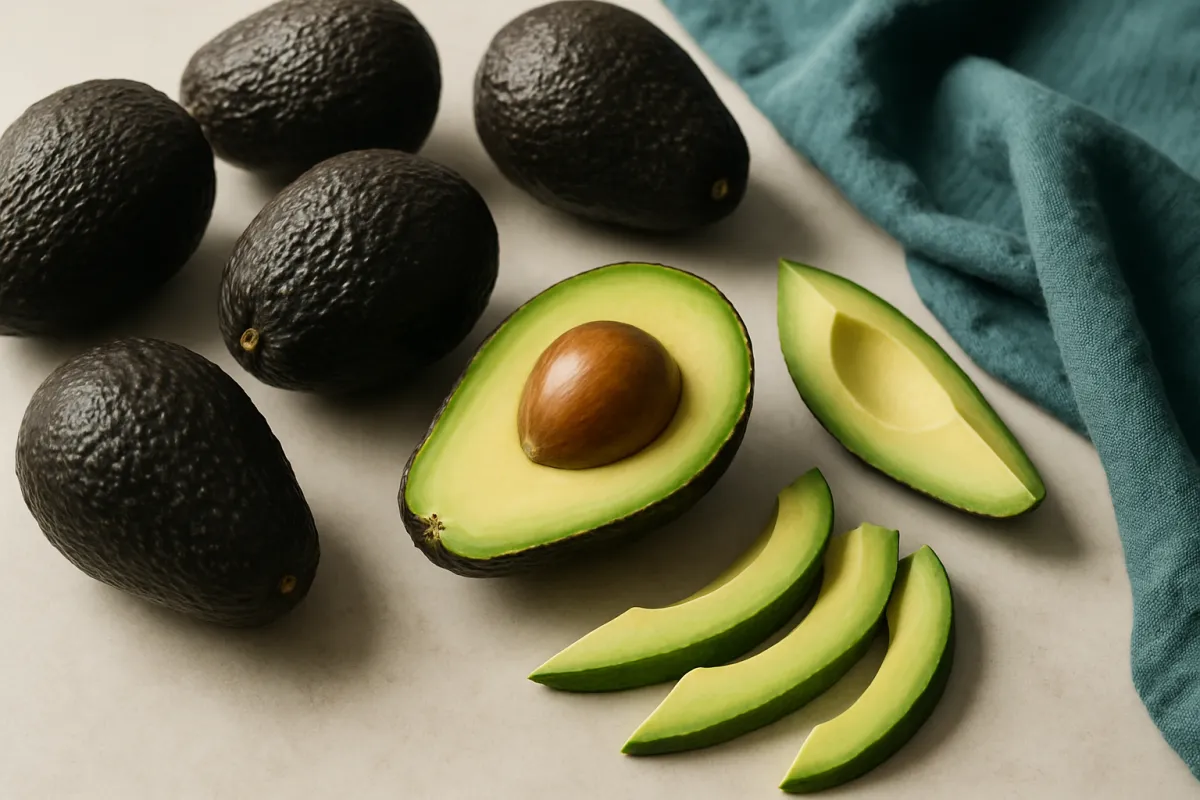
| Avocado | 1/2 fruit | ~0.1 g |
Flaxseed oil and chia seeds lead the plant list by a wide margin, and a single tablespoon of ground flaxseed stirred into oatmeal or a smoothie already supplies more than the full day’s commonly cited figure for an adult woman. These are rounded reference approximations that vary with the specific product and preparation.
EPA and DHA Food Sources: A Reference Table
| Food | Typical serving | EPA + DHA, roughly |
|---|---|---|
| Salmon, cooked | 3 oz | ~1.5 to 2.0 g |
| Mackerel, cooked | 3 oz | ~1.0 to 2.5 g |
| Herring, cooked | 3 oz | ~1.5 to 1.8 g |
| Sardines, canned | 3 oz | ~1.0 to 1.5 g |
| Trout, cooked | 3 oz | ~0.9 to 1.1 g |
| Oysters, cooked | 3 oz | ~0.4 to 0.6 g |
| Shrimp, cooked | 3 oz | ~0.2 to 0.3 g |
| Canned light tuna | 3 oz | ~0.2 to 0.3 g |
The wide ranges reflect genuine variation between species, whether the fish is wild or farmed, and preparation, which is why these are presented as ranges rather than single point figures. Fatty, cold-water species cluster at the top; leaner, warmer-water species sit lower.
Charting Marine Omega-3 Sources
EPA and DHA per common serving
Grams of combined EPA and DHA per typical 3 oz cooked serving, using the midpoint of the commonly cited range for each fish. Illustrative approximations.
Bars scale to mackerel and salmon at 100 percent, using the midpoint of each commonly cited range. Approximations, not measurements of any specific catch.
A single 3 ounce serving of salmon or mackerel already clears the upper end of the general 250 to 500 milligram EPA/DHA guidance in one sitting, which is the arithmetic reason “eat fatty fish roughly twice a week” is the commonly repeated shorthand version of this guidance rather than a daily gram target. That weekly framing, rather than a daily one, is specific to EPA and DHA and does not carry over to ALA, which behaves more like an everyday pantry habit than an occasional fish dinner.
Why ALA-to-EPA/DHA Conversion Is Not a Reliable Backup Plan
The body can convert some ALA into EPA and then into DHA through a multi-step enzymatic pathway, which raises an obvious question: can someone just eat enough flaxseed and skip fish entirely? Nutrition references generally describe the conversion rate as low, commonly discussed in the low single-digit percentages for EPA and even lower for DHA, and the rate varies between individuals based on genetics, sex and overall diet.
That means a diet rich in ALA but entirely without EPA or DHA sources is not simply a slower route to the same place; it generally results in meaningfully lower EPA and DHA status than a diet that includes fish or algae directly. This is the specific, mechanistic reason vegetarians and vegans who want EPA and DHA specifically, rather than ALA alone, are commonly pointed toward algae-based supplements rather than being told that enough flaxseed will cover it. Algae-based supplements are notable specifically because algae is the original source organism that fish accumulate EPA and DHA from in the first place, which is why they can supply the marine forms directly without an animal intermediary.
Building a Worked Day for ALA
Here is one illustrative day assembled from the plant-source table above, built against the commonly cited 1.1 gram ALA figure for adult women. It is an example of the arithmetic, not a meal plan.
| Meal | Foods | ALA |
|---|---|---|
| Breakfast | 1 tbsp ground flaxseed in oatmeal | ~2.4 g |
| Lunch | 1 oz walnuts on a salad | ~2.5 g |
| Dinner | 1 tbsp canola oil used in cooking | ~1.3 g |
| Total | ~6.2 g |
This illustrative day clears the 1.1 gram adult female ALA figure several times over from three ordinary additions, which is a useful thing to notice: ALA-rich foods are concentrated enough that hitting the plant-form figure is rarely difficult once even one of them is in regular rotation. The harder target, as covered above, is EPA and DHA specifically, which this worked day does not address at all since none of these three foods carry meaningful amounts of either.
A Worked Day for EPA and DHA
| Meal | Foods | EPA + DHA |
|---|---|---|
| Lunch | 3 oz canned sardines on toast | ~1.25 g |
| Total for the day | ~1.25 g |
One sardine lunch against the general EPA/DHA guidance
A single 3 oz serving of sardines against the commonly cited 250 to 500 mg general guidance range. General health-organization guidance, not a Dietary Reference Intake.
Illustrative proportions built from one worked meal, not a measured individual result and not a Dietary Reference Intake comparison.
One ordinary fatty-fish meal can single-handedly exceed the entire general EPA/DHA guidance range for the day, which is the arithmetic behind the commonly repeated advice to eat fish a couple of times a week rather than needing to track it daily the way a vitamin with a tight daily figure might require.
Fish Oil Supplements: Benefits and a Real Interaction to Know
Fish oil supplements are a common way people try to reach the EPA/DHA guidance without eating fish, and this evidence review does not recommend one, a dose, or a brand for any individual. What is worth knowing plainly is that high-dose fish oil, well above typical food-level amounts, is discussed in reference sources as capable of affecting blood clotting, which raises a genuine interaction concern for anyone taking a blood-thinning medication such as warfarin, or anyone scheduled for a surgical procedure.
That is not a reason to assume ordinary food-level omega-3 from fish carries the same concern, since the effect is generally discussed in relation to higher supplemental doses rather than typical dietary intake from an ordinary meal. It is a reason that starting, stopping, or changing the dose of a fish oil supplement, particularly for anyone on a blood thinner or with an upcoming procedure, belongs in a conversation with a doctor or pharmacist rather than a decision made independently.

Why Omega-3 Is Called an Essential Fat
Omega-3 fats are described as essential because the body cannot build them from scratch using other fats or nutrients, unlike many fats it can synthesize internally as needed. ALA specifically must come from the diet, which is the underlying reason it carries a reference intake figure at all, while EPA and DHA can be partially made from ALA through the limited conversion pathway covered earlier, or obtained more directly from marine sources.
This essential status is shared by omega-6 fats, which are far more abundant in a typical modern diet through vegetable oils used heavily in packaged and restaurant food. The practical point worth taking from this section is narrow: omega-3 is not a fat the body can skip entirely and compensate for elsewhere, which is the baseline reason it appears on a nutrient reference table in the first place rather than being treated as an optional extra the way some other dietary fats are discussed. Saturated and monounsaturated fats, by comparison, can largely be made by the body from other dietary building blocks, which is the structural distinction that separates an essential fat from one that is merely common in food.
Mercury: The Other Side of the Fish-for-Omega-3 Trade
Recommending fatty fish for omega-3 cannot honestly ignore mercury, since some of the same species vary in both directions. Larger, longer-lived predatory fish generally accumulate more mercury, while smaller, shorter-lived fatty fish such as sardines and farmed salmon are generally described as lower in mercury while still carrying meaningful EPA and DHA, which is part of why this evidence review repeatedly names sardines, salmon, herring and mackerel rather than species like shark, swordfish or king mackerel.
Pregnant women, those who may become pregnant, and young children are specifically named in official dietary guidance as a group with more detailed, species-specific fish advice precisely because of mercury, and that guidance changes periodically as monitoring data is updated. Anyone in one of those groups should follow the current official fish-and-mercury guidance for their situation rather than the general omega-3 framing on this page alone, since this evidence review is deliberately general and does not substitute for guidance tailored to pregnancy or early childhood.
Reading a Fish Oil Label: Why 1,000 mg Is Not the Omega-3 Number
One of the most common points of confusion with omega-3 supplements is the gap between the total fish oil weight printed on the front of a bottle and the actual EPA and DHA content, which is usually printed in smaller text on the supplement facts panel. A capsule labeled “1,000 mg fish oil” is describing the total oil weight in that capsule, not the amount of EPA and DHA inside it, and the combined EPA and DHA figure for that same capsule is commonly closer to 300 milligrams, with the remainder being other fats naturally present in fish oil.
This distinction matters directly for anyone trying to reach the general 250 to 500 milligram EPA/DHA guidance using a supplement, since counting the front-label total rather than the supplement facts figure can overstate actual intake by a factor of three or more, which is enough to turn an apparently generous dose into one that falls short of the general guidance once the real EPA and DHA figure is read correctly. The practical habit is the same one repeated across every nutrient on this site: read the specific panel figure for EPA and DHA rather than the headline number on the front of the bottle, and do the same when comparing products, since concentration varies meaningfully between brands and formulations.
Omega-3 Fortified Foods: Eggs, Milk and Beyond
Omega-3 fortification has extended well beyond fish oil capsules into ordinary grocery items, and it is worth knowing it exists as its own category. Eggs from hens fed a flaxseed- or algae-supplemented diet are commonly sold as omega-3 enriched, typically carrying a modest but real amount of additional ALA, EPA or DHA compared with a conventional egg, with the specific figure varying by brand and printed on the carton. Omega-3 fortified milk and some fortified juices and spreads follow the same general pattern.
As with every fortified product discussed elsewhere on this site, the amount added is a manufacturer’s formulation choice rather than a property of the base food, so the carton or label is the only reliable figure for a specific product rather than a generic chart entry. These fortified options are a reasonable supplementary route for someone trying to add modest omega-3 without changing their diet dramatically, though they generally contribute less per serving than a fatty fish meal or a dedicated flaxseed or chia addition.
DHA and Pregnancy: Why This Life Stage Gets Extra Attention
DHA specifically, among the omega-3 forms, is discussed with particular emphasis during pregnancy in nutrition and obstetric guidance, because of its role in the developing fetal brain and retina during gestation. This is part of why the ALA Adequate Intake rises during pregnancy, covered in the reference table earlier on this page, and part of why prenatal vitamins sometimes include a DHA component alongside the more commonly discussed folic acid and iron.
This evidence review does not recommend a specific DHA supplement, dose, or product for pregnancy, since that decision belongs with the clinician providing antenatal care, who can weigh it alongside the rest of a prenatal plan, any dietary restrictions, and the mercury-related fish guidance covered earlier on this page. What this section offers is simply the reason DHA receives extra attention at this specific life stage rather than being treated identically to the general adult guidance throughout the rest of this review.
Common Misunderstandings About Omega-3
The first misunderstanding is assuming “omega-3” always means the same thing a fish oil bottle or a flaxseed bag is selling, when the plant and marine forms are chemically different fats with different evidence bases behind their reference figures. The second is assuming a food’s or supplement’s front-label number is the actual EPA and DHA content, when that figure usually sits in smaller print further down the panel.
The third misunderstanding is believing a strictly plant-based diet with enough flaxseed functions as a complete substitute for fish when someone specifically wants EPA and DHA, when the conversion pathway from ALA is consistently described as inefficient. The fourth is assuming any amount of fish oil supplement is risk-free simply because it is sold over the counter, when high doses carry a real interaction with blood-thinning medication that a pharmacy label alone may not make obvious to every reader.
Common Mistakes When Counting Omega-3
The first mistake is treating “omega-3” as one number, when ALA and EPA/DHA are tracked through entirely different systems with different evidentiary standing. The second is assuming a flaxseed-heavy, fish-free diet delivers equivalent EPA and DHA to a diet that includes fish, when the body’s conversion of ALA into those forms is limited.
The third mistake is assuming more fish oil is automatically better once a general target is met, when very high supplemental doses carry a real medication interaction concern rather than being a harmless extra. The fourth is ignoring mercury entirely when choosing which fish to eat for omega-3, when the species chosen matters for both nutrients at once. The fifth is reading a fish oil bottle’s front-label milligram figure as the EPA and DHA content, when that number almost always describes total fish oil weight rather than the two fats most people are actually trying to track.
A Short Omega-3 Shopping List
For ALA, ground flaxseed and chia seeds are the most concentrated, inexpensive, and easiest to add without changing a recipe, since both work stirred into oatmeal, yogurt or a smoothie. Walnuts and canola oil round out an ordinary list without requiring anything specialized.
For EPA and DHA, canned sardines and salmon are the most practical ordinary purchases, both shelf-stable or freezer-friendly and both landing on the lower-mercury side of the fish spectrum discussed above. Fresh or frozen mackerel and herring are the next step up for anyone cooking fish regularly rather than relying on canned options, and omega-3 enriched eggs are a reasonable small addition for anyone who already buys eggs regularly and wants a modest extra source without adding a new item to the list entirely.
Cost and Practicality: Comparing the Routes to Each Target
For readers deciding how to actually close an omega-3 gap rather than simply understanding the numbers, a brief practical comparison is worth adding. ALA is generally the cheaper and more logistically simple target to meet, since a single tablespoon of ground flaxseed or an ounce of walnuts, both inexpensive and shelf-stable, clears the daily figure in one addition to an existing meal without requiring any new cooking skill.
EPA and DHA are comparatively more demanding to reach consistently through food alone, since they require fatty fish in rotation roughly weekly rather than a pantry staple stirred in daily, and fresh fish carries a cost and spoilage consideration that flaxseed does not, which is part of why so many people reach for a supplement instead of adjusting their grocery list. Canned sardines and salmon narrow that gap considerably by removing the spoilage concern and lowering the cost relative to fresh fillets, which is part of why this evidence review repeatedly names them specifically rather than defaulting to fresh fish as the only practical option, and why a pantry stocked with a few cans can realistically cover the weekly fatty-fish habit without a special trip for fresh fillets.
When to Ask a Clinician
Several situations call for individualized guidance beyond this general page. Anyone taking or considering a fish oil supplement while on a blood thinner, or ahead of a scheduled surgery, should raise it with the prescribing clinician or a pharmacist rather than deciding independently. Anyone pregnant, trying to become pregnant, or feeding a young child should follow current official fish and mercury guidance specific to that situation.
Vegetarians and vegans wanting EPA and DHA specifically, rather than ALA alone, have a legitimate reason to discuss an algae-based supplement with a doctor or registered dietitian rather than assuming food alone will close that particular gap, since the conversion limitations covered earlier apply regardless of how much ALA-rich food is added. Our omega-3 foods list and our vegetarian protein guide cover related plant-forward planning on this site.
The Bottom Line
How much omega-3 per day depends on which omega-3 is being asked about. ALA, the plant form, carries a published Adequate Intake commonly cited near 1.6 grams for adult men and 1.1 grams for adult women, easily reached through flaxseed, chia seeds, walnuts or canola oil. EPA and DHA, the marine forms, have no formal Dietary Reference Intake, though health organizations commonly suggest roughly 250 to 500 milligrams combined per day for general cardiovascular health, a figure a single fatty-fish meal can exceed outright.
ALA converts into EPA and DHA only inefficiently, which is why fish or algae sources matter specifically rather than being interchangeable with flaxseed. No upper limit applies to ALA from food, but high-dose fish oil supplements carry a real interaction concern with blood thinners, and mercury is a genuine consideration when choosing which fish to eat. Reading the supplement facts panel rather than the front label, and favoring smaller fatty fish over larger predatory species, resolves most of the practical confusion covered on this page. Sketch your own day in the companion below.
This evidence review is published for general education and reproduces commonly cited, approximate reference intakes and food composition figures for omega-3 fatty acids. It is not medical, dietary or nutritional advice, does not diagnose, treat or manage any condition, and reading it creates no clinician-patient relationship. The Adequate Intake figures for ALA are published by national health authorities and are reviewed and revised over time; the EPA and DHA figure cited is general guidance from health organizations rather than a Dietary Reference Intake, and this page states that distinction deliberately rather than blurring it. Every gram value above is a rounded reference approximation rather than a measurement of any particular food, catch or product, and content varies with species, farming or wild origin, preparation and brand. No single conversion rate is quoted for ALA to EPA or DHA because published estimates vary too widely with the individual to state as fact. Nothing above recommends a fish oil or algae supplement, a dose, or a brand for any individual. Anyone taking a blood-thinning medication, scheduled for surgery, pregnant, trying to become pregnant, or feeding a young child should follow current official guidance and consult a doctor, pharmacist or registered dietitian rather than this page alone.
Frequently asked questions
How much omega-3 per day do adults need?
There is no single omega-3 figure the way there is for a vitamin like C, because omega-3 fats split into a plant form, ALA, which does have a published Adequate Intake, and the marine forms EPA and DHA, which do not have a formal dietary reference intake in the United States system. The ALA figure is commonly cited near 1.6 grams a day for adult men and 1.1 grams for adult women. Health organizations separately and commonly suggest roughly 250 to 500 milligrams of combined EPA and DHA a day for general cardiovascular health, though that is general guidance from health bodies rather than a Dietary Reference Intake.
What is the difference between ALA and EPA/DHA?
ALA, alpha-linolenic acid, is the plant form of omega-3 found in flaxseed, chia seeds, walnuts and canola oil, and it is the only omega-3 form with a published Adequate Intake. EPA and DHA are the marine forms found in fatty fish and algae, and the body can convert a small amount of ALA into EPA and DHA, though that conversion is commonly described in nutrition references as limited and inefficient in most people. This is why fish-based or algae-based sources are generally discussed as the more direct route to EPA and DHA specifically.
Is there an upper limit for omega-3?
No formal Tolerable Upper Intake Level has been set for ALA from ordinary food by the agency responsible for the Dietary Reference Intakes. Health authorities do generally advise caution with high-dose fish oil supplements, since very high intakes are discussed in reference sources as potentially affecting blood clotting and interacting with certain blood-thinning medications. This evidence review does not recommend a supplement dose for any individual, and anyone taking or considering a fish oil supplement, especially alongside a blood thinner, should raise it with a doctor or pharmacist.
Can vegetarians and vegans get enough omega-3?
Vegetarians and vegans can meet the ALA figure through flaxseed, chia seeds, walnuts and canola or soybean oil, all of which carry meaningful ALA. Getting EPA and DHA specifically without fish is harder, since the body's conversion of ALA into those forms is limited, which is why algae-based EPA and DHA supplements exist and are commonly discussed as the practical option for someone avoiding fish who wants a more direct source of those two forms rather than relying on conversion alone.
Which fish have the most omega-3?
Fatty, cold-water fish carry the most EPA and DHA per serving. Salmon, mackerel, herring and sardines are commonly cited as the richest ordinary sources, generally in the range of 1 to 2 grams of combined EPA and DHA per 3 ounce cooked serving depending on the species and preparation. Leaner fish such as canned light tuna carry meaningfully less per serving. These are commonly cited approximate figures that vary with the specific fish, how it was raised or caught, and how it was prepared.
Does cooking fish destroy its omega-3 content?
Omega-3 fats are somewhat sensitive to heat, air and light, and nutrition references generally describe some loss during cooking, more with prolonged high-heat methods like deep frying than with gentler methods like baking, poaching or steaming. The loss is generally described as partial rather than total under ordinary home cooking, so cooked fish remains a meaningful omega-3 source; it is simply not identical to the raw figure sometimes quoted in a database. Frying in a separate oil also adds other fats to the dish that are worth considering alongside the omega-3 content.
Should I take a fish oil supplement?
This evidence review does not recommend a fish oil supplement, a dose, or a brand for any individual. Whether a supplement is useful depends on diet, any existing health conditions, and other medications, particularly blood thinners, where high-dose fish oil is discussed as a genuine interaction concern. Food sources are generally described as the preferred route in general nutrition guidance, and anyone considering a supplement, especially for a specific health goal, should raise it with a doctor or pharmacist rather than choosing one independently.
Do omega-3 and omega-6 fats need to be balanced?
Nutrition references discuss the ratio of omega-6 to omega-3 fats in a typical modern diet as considerably higher than it is generally believed to have been in earlier dietary patterns, largely because omega-6-rich vegetable oils are used heavily in processed food. This evidence review does not state a specific ideal ratio, since published figures vary and a single number would overstate the certainty of the evidence. The more consistently supported practical takeaway is simply to include omega-3 sources regularly rather than to chase a precise ratio.

Hamza Hai is the editor of NourishMark. She holds an MBA and reviews the site's articles against our editorial standards, checking that every figure is labelled for what it is, that nothing is presented as verified fact without a source the reader can check, and that the writing stays useful to a non-specialist.

Dr. Shayaan Khan is the medical reviewer for NourishMark. He holds an MBBS from MGM Medical College, Navi Mumbai, and is the author of published research including a narrative review of postpartum anxiety and depression in Mental Health Science. He has taught physiology at university level. He reviews the site's health content for medical accuracy: that physiology and mechanisms are described correctly, that no claim is stated more strongly than the evidence behind it, and that anything specific to an individual reader is sent to that reader's own clinician.
Not medical advice. Dr. Khan reviews NourishMark's health content for medical accuracy. He is not a registered dietitian, he does not hold a United States practising licence, and he is not your doctor. His review does not make anything here medical advice. Always talk to a qualified health professional about your own situation, and never delay or stop care because of something you read here.